Drug Rehab in New Jersey
In New Jersey, drug rehab covers a wide range of care levels, starting with medical detox and going as far as weekly outpatient counseling. Statewide, SAMHSA FindTreatment.gov listings show 330 treatment facilities as of November 2026. Here you can read what every level involves and how payment typically works.
Rehab centers in New Jersey by city
New Jersey rehab centers cluster around the state's larger cities, and Newark lists 16 facilities, the highest count in the state. Cherry Hill lists 10, while Toms River and Trenton each list 7. Matawan, East Orange and New Brunswick each list 6, and Freehold lists 5. Searching rehab facilities in New Jersey near a specific city narrows the list quickly and shortens travel for outpatient visits. Someone who needs daily outpatient care may want a center close to home, while residential treatment can be worth a longer drive for the right fit.
Frequently viewed centers in New Jersey
-
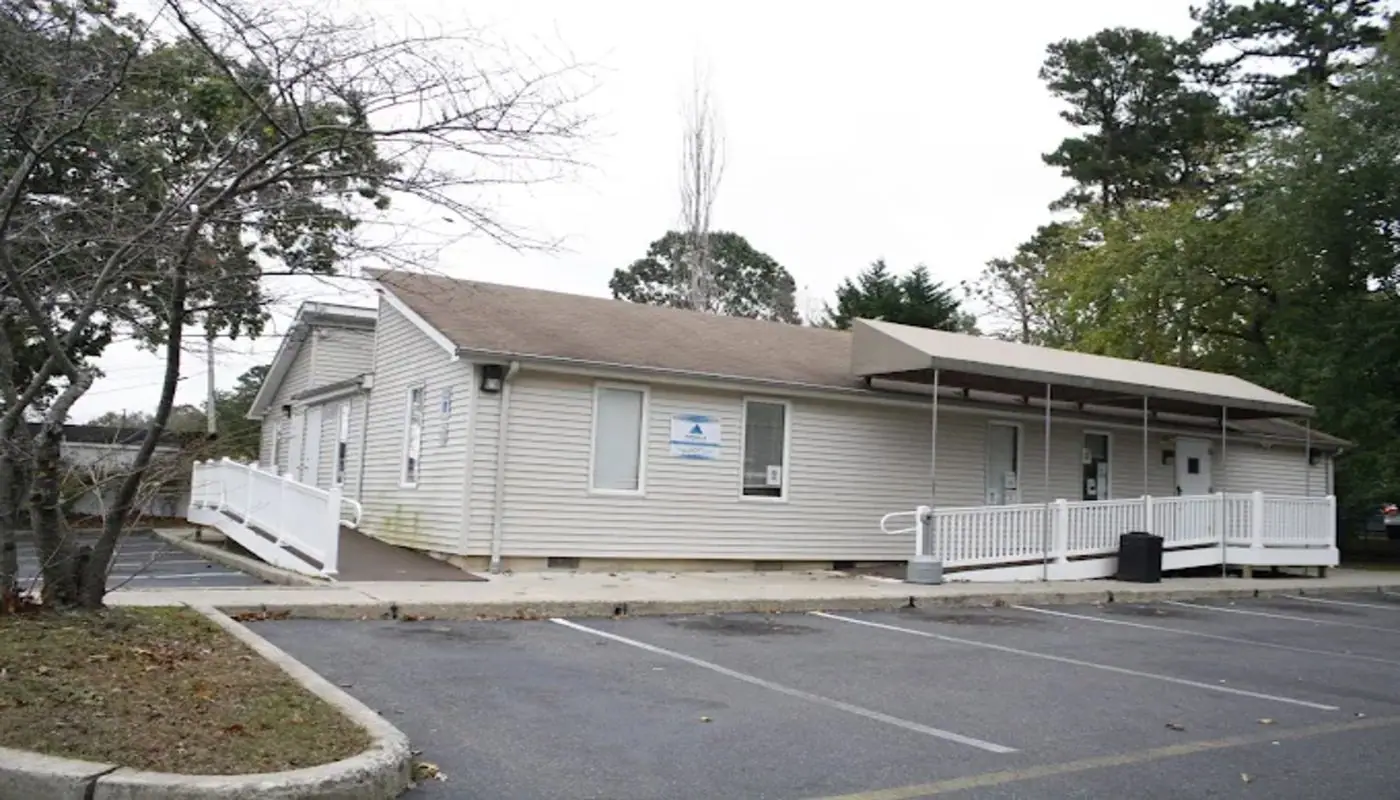
Toms RiverNJ
Ocean Medical Services
4.5/5Google reviews: 36
Typical stay 30 days
Ocean Medical Services is a treatment center in Toms River, New Jersey.
- Outpatient
- Detox
- Co-Occurring Mental Health
-
DoverNJ
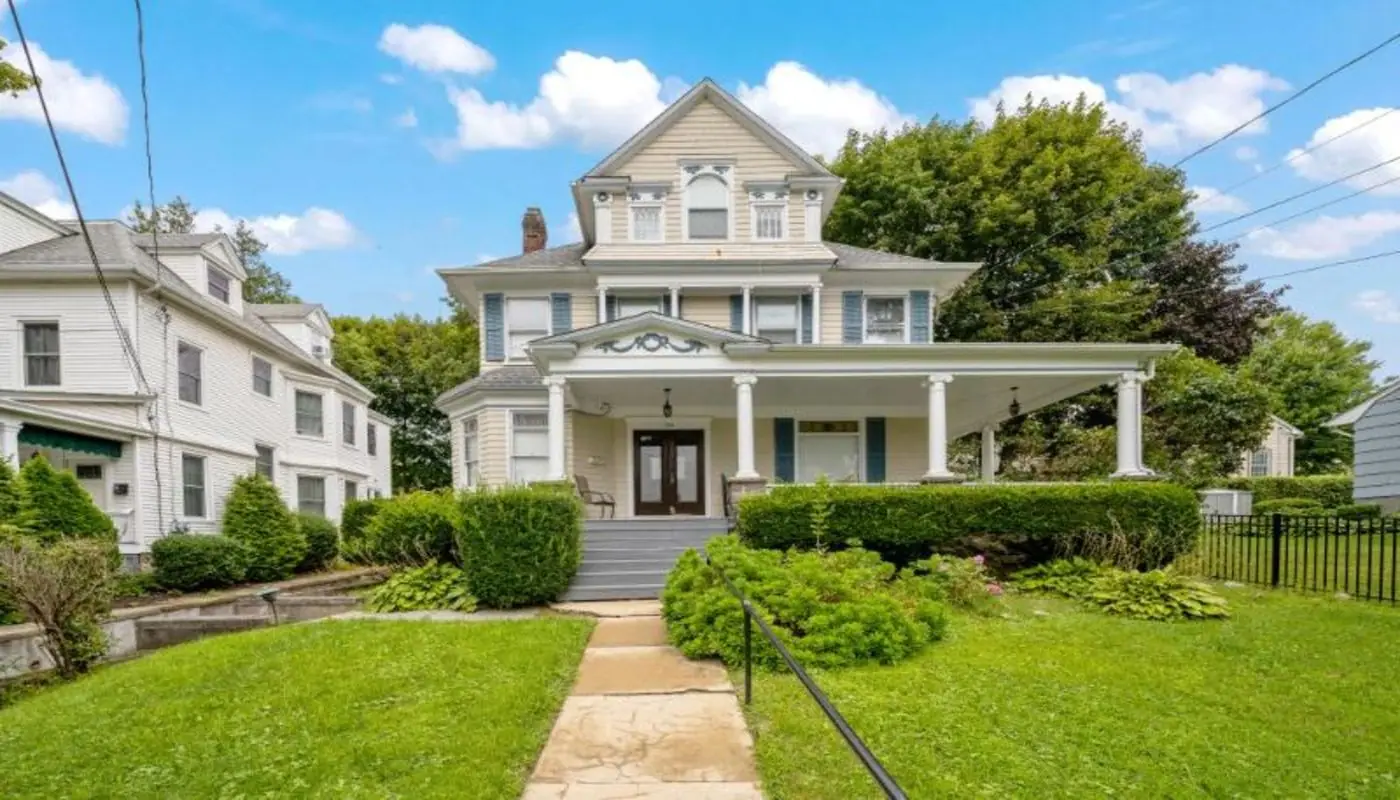
Excel Treatment Center
4.8/5Google reviews: 95
Typical stay 30 days
Excel Treatment Center Dover offers outpatient care for mental health needs as well as substance use and substance use disorders.
- Outpatient
- Co-Occurring Mental Health
Joint Commission View center
-
ClintonNJ
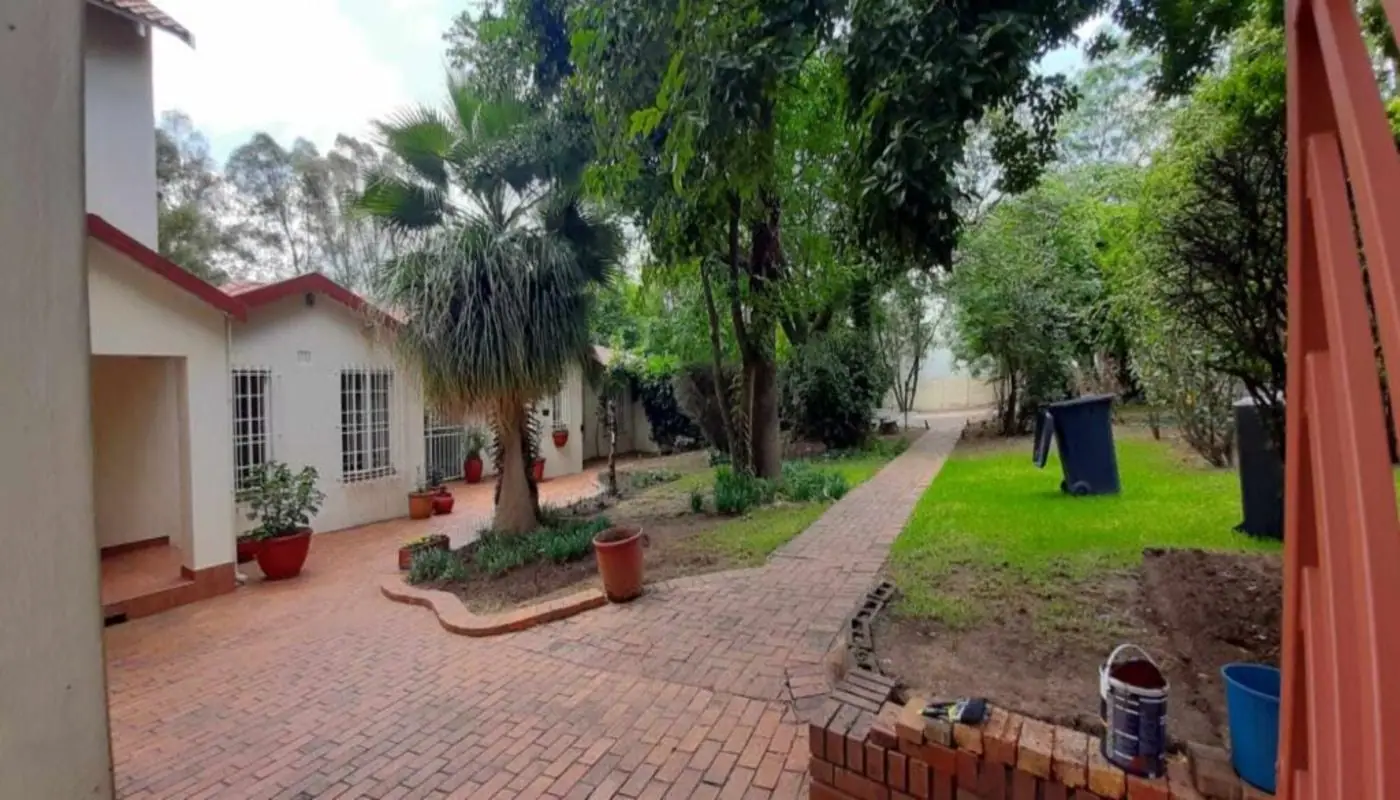
New Horizon Halfway House Ferndale
Typical stay 30 days
New Horizon Halfway House Ferndale Clinton offers a 30-day transitional living option.
-
SummitNJ
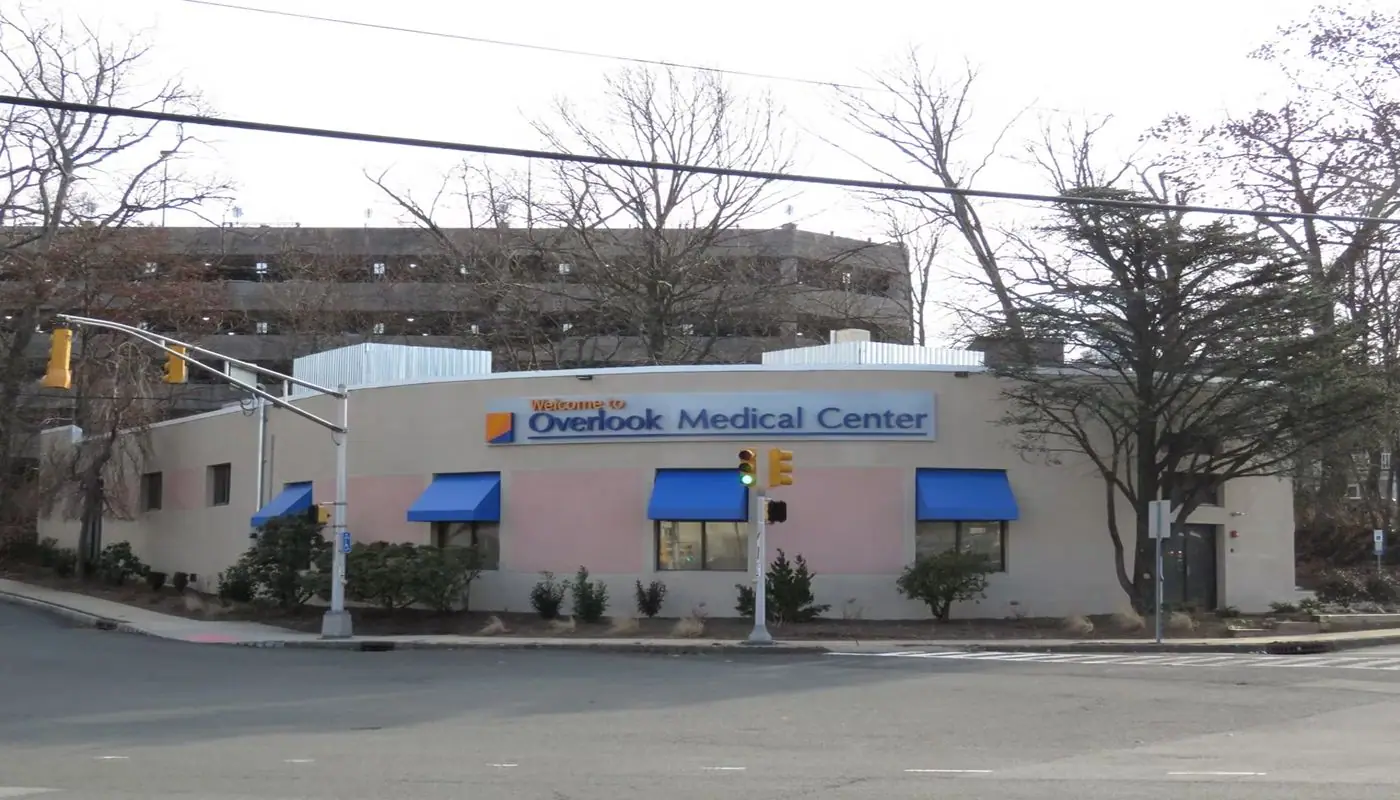
Overlook Medical Center Outpatient
2.4/5Google reviews: 20
Typical stay 5 days
Overlook Medical Center Outpatient Services in Summit offers structured care for people who live at home.
- Outpatient
Joint Commission View center
-
VoorheesNJ
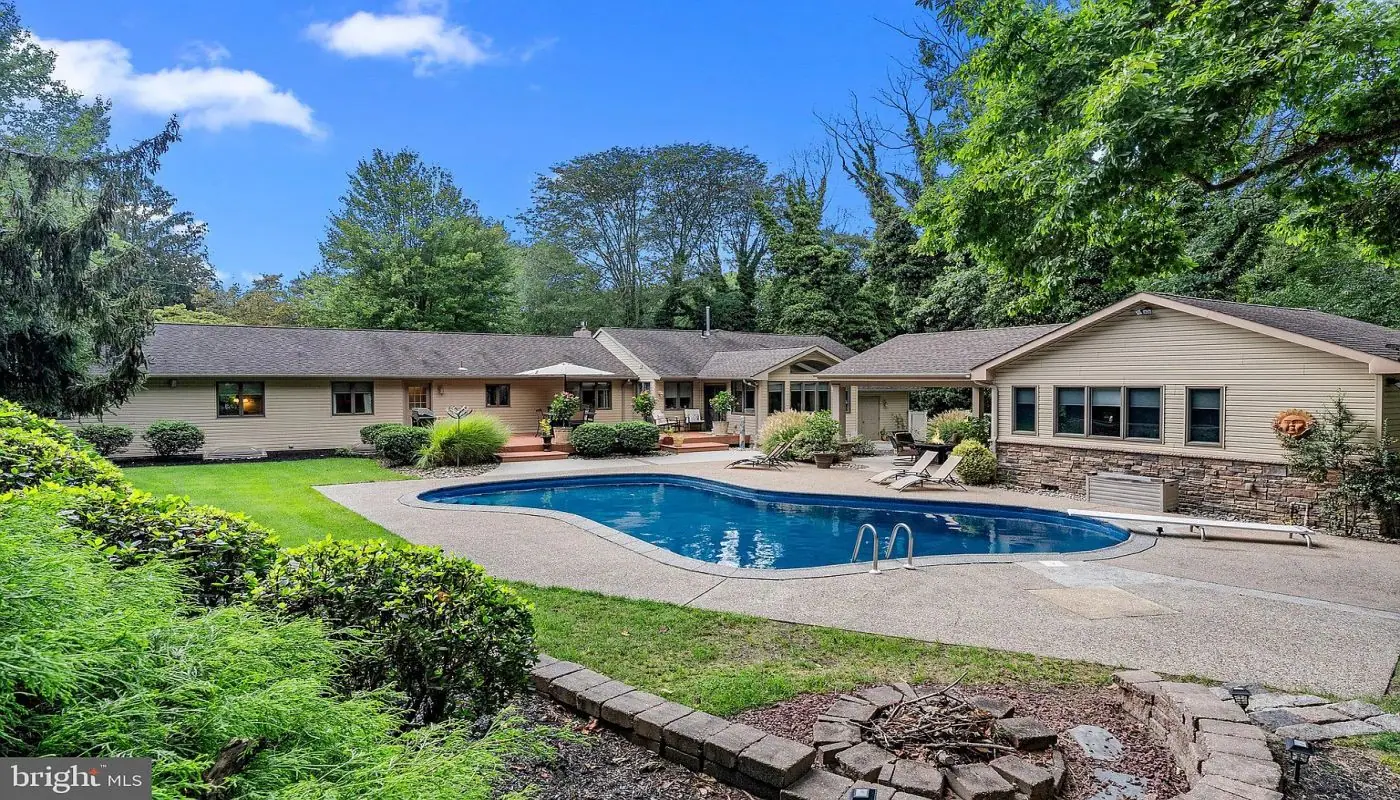
New Jersey Sober Living
Typical stay 30+ days2-5 beds
New Jersey Sober Living Voorhees is a small sober living home for adults in recovery.
- Outpatient
- Sober Living
- Co-Occurring Mental Health
-
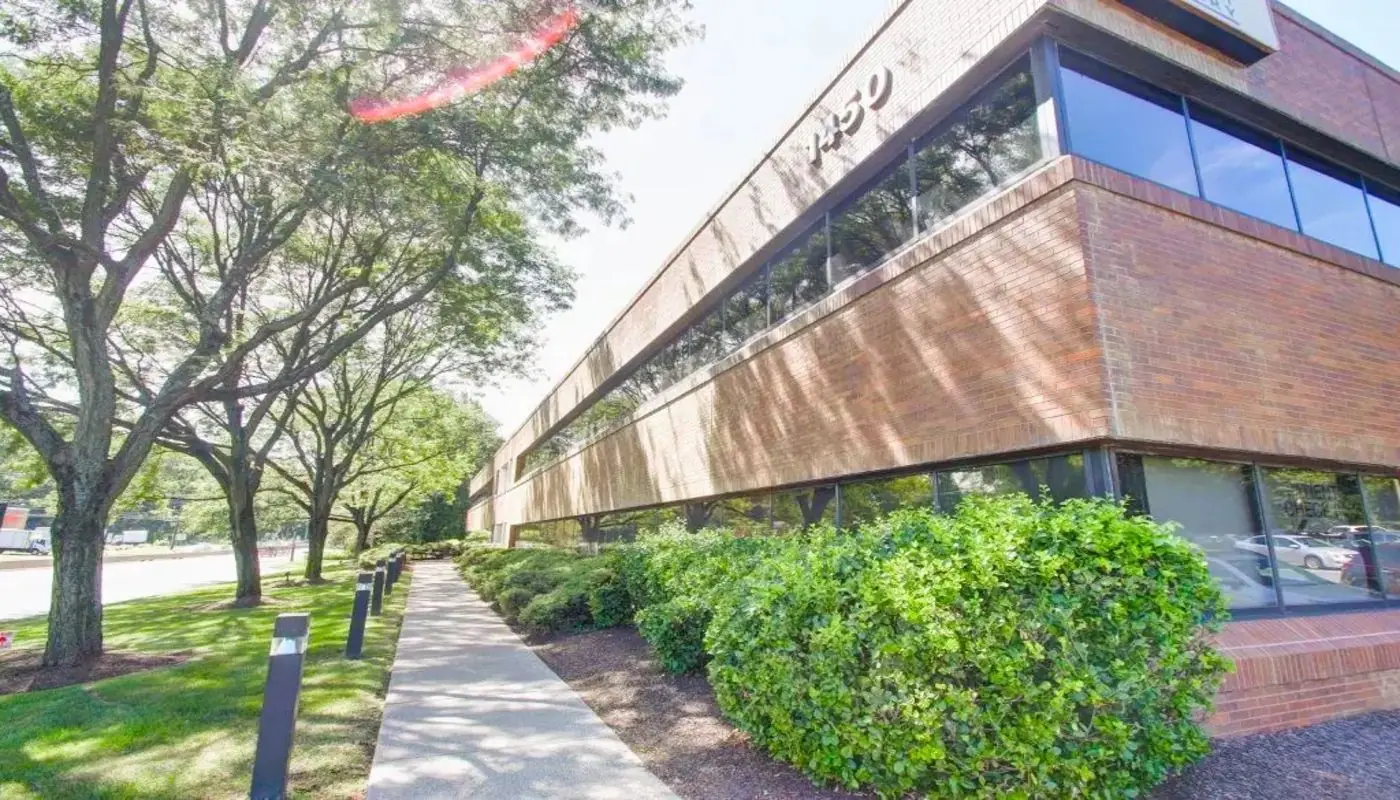
MountainsideNJ
The Recovery Team
5.0/5Google reviews: 88
Typical stay 30 days
Located at 1450 US-22 in Mountainside, The Recovery Team Mountainside is a rehab in New Jersey.
- Outpatient
- Detox
- Co-Occurring Mental Health
Joint Commission View center
-
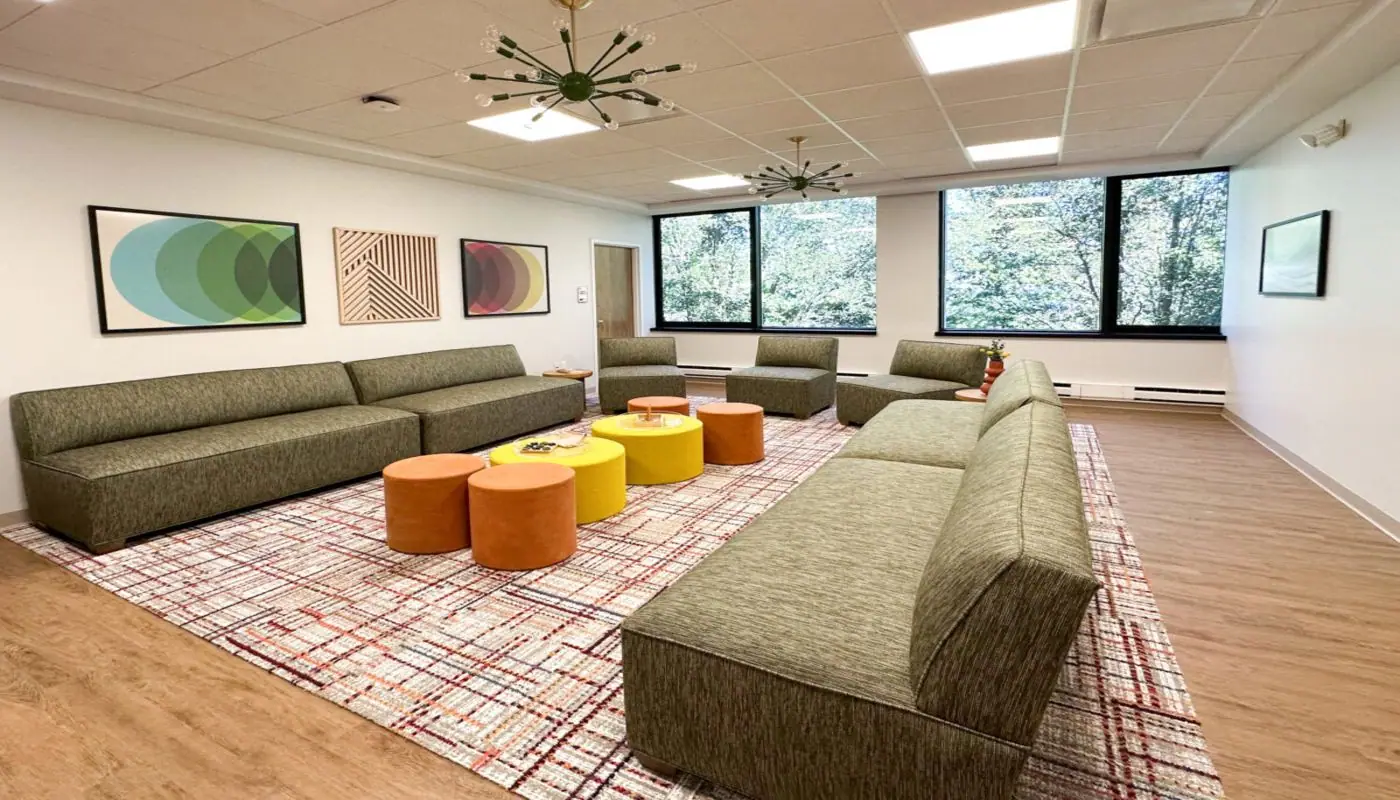
Parsippany-Troy HillsNJ
Monte Nido Parsippany
3.7/5Google reviews: 131
Monte Nido Parsippany delivers outpatient eating disorder care in Parsippany-Troy Hills.
- Outpatient
Joint Commission View center
-
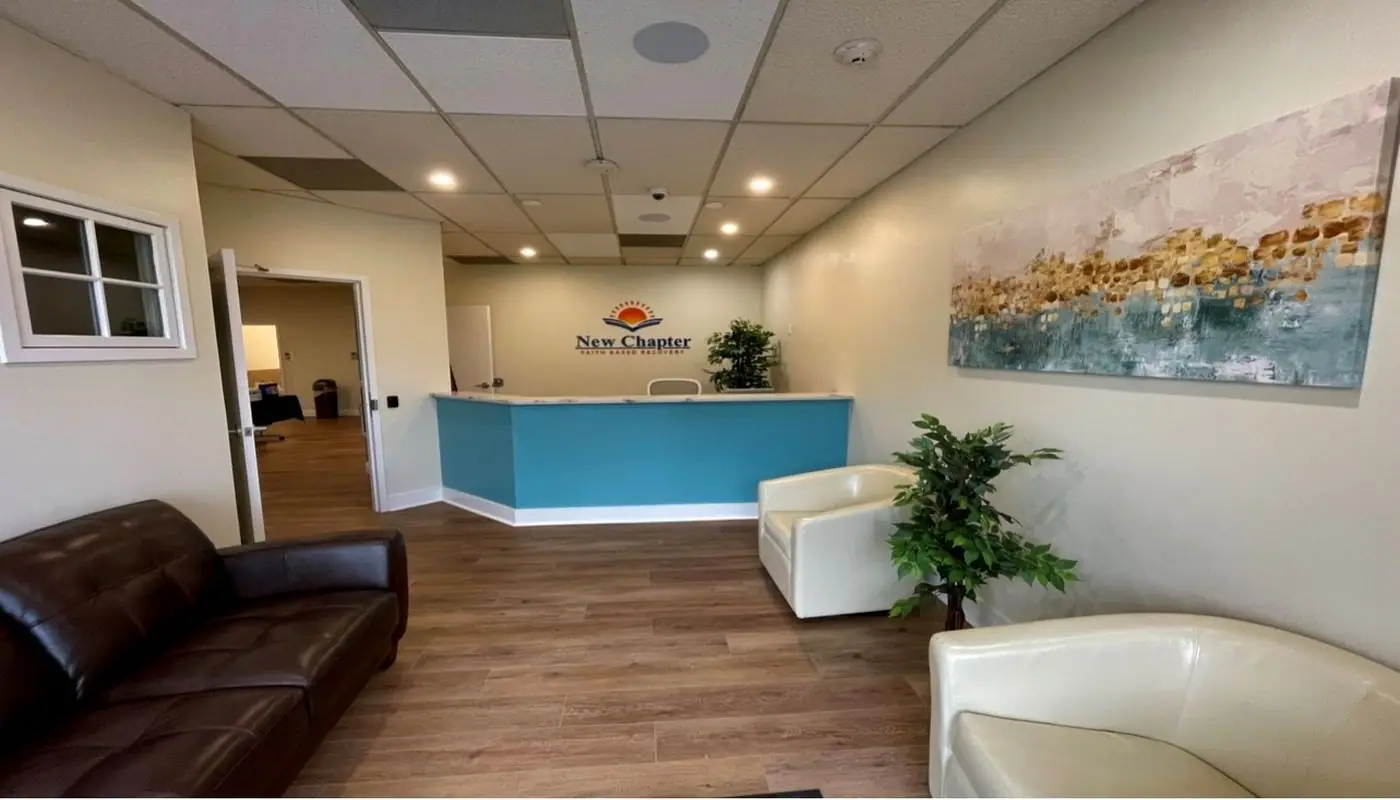
Parsippany-Troy HillsNJ
New Chapter Faith Based Recovery
5.0/5Google reviews: 133
Typical stay 30 days16-30 beds
New Chapter Faith Based Recovery Parsippany-Troy Hills provides Christian outpatient care.
- Outpatient
- Co-Occurring Mental Health
Joint Commission View center
What a helpline call involves
Our helpline is staffed around the clock by trained advisors who link callers to licensed providers; calling is free, stays private, and signs you up for nothing. Calling the New Jersey helpline costs nothing, stays private, and commits no one to starting care. Those who answer are not clinicians and offer no diagnosis; they ask which substance is involved, how recently the person used, whether withdrawal worries them, what insurance or Medicaid coverage the person has, and where they live or how far they can travel.
An advisor can then outline programs suited to those answers and suggest questions to raise with a facility before reserving a spot. When someone describes symptoms pointing to risky withdrawal, the advisor will direct them toward medical evaluation instead of a bed search. No promises are made about admission or coverage, and nobody is pushed to make a decision during the call. A relative may also call for someone else.

Alcohol and drug treatment in New Jersey
Care for alcohol use disorder is offered at 219 facilities using medications like naltrexone or acamprosate, and naltrexone itself is provided at 232 programs. Opioids are still the substance linked to the most deaths statewide, and buprenorphine is available at 237 facilities, while 39 dispense methadone directly. New Jersey has 237 treatment programs offering medication for opioid use disorder, frequently combined with counseling.
There is no approved medication for cocaine or methamphetamine, so behavioral therapies carry the treatment load; 28 facilities list detox capacity for each of the two. If someone has an emotional or psychiatric condition and a substance misuse issue, ask whether a program treats both at once. Quitting alcohol or benzodiazepines can be medically dangerous, and MedlinePlus guidance generally notes that timing and severity vary by substance, which is why a clinician belongs in the picture.

New Jersey overdose data
Preliminary CDC numbers covering the 12 months through May 2026 count 1,448 overdose deaths across New Jersey, which is 17 percent lower than the period before. Opioids were involved in 1,129 of them, and fentanyl figured in 984, down 23 percent. In the year ending May 2026, CDC data record 1,448 overdose deaths in New Jersey, a 17 percent decline. Fatalities involving heroin dropped 43 percent to 67, and prescription opioid deaths declined 8 percent to 158.
Cocaine was linked to 658 deaths, down 22 percent, and methamphetamine to 133, down 28 percent. Those numbers describe a state where progress is real but incomplete, and where stimulant deaths still account for a large share. For a family reading them, the practical point is that treatment is available at every level and that asking about a specific substance helps a program match the right care.
| Drug | Past year | Prior year | Difference |
|---|---|---|---|
| Total drug overdoses | 1,448 | 1,754 | -17% |
| Opioid involvement | 1,129 | 1,411 | -20% |
| Fentanyl plus other synthetics | 984 | 1,283 | -23% |
| Heroin overdoses | 67 | 118 | -43% |
| Opioid painkillers prescribed | 158 | 171 | -8% |
| Methamphetamine overdoses | 133 | 186 | -28% |
| Cocaine overdoses | 658 | 840 | -22% |
CDC preliminary figures, 12 months ending May 2026. Later reporting can raise recent-month totals.
Paying with Medicaid or insurance
Because New Jersey expanded Medicaid, plenty of adults with modest incomes may qualify for coverage that includes care for a substance use disorder, and 228 facilities here take Medicaid. Across New Jersey, 228 drug rehab centers accept Medicaid for substance use disorder care. Private insurance is taken at 261 programs, Medicare at 149, and TRICARE at 125 for military households. Federal parity rules mean most health plans have to cover mental health and addiction care at levels similar to medical and surgical benefits, so asking a plan exactly what it pays for detox and residential stays is worthwhile.
Cost should not be the end of the search. Self-pay is listed at 314 facilities, sliding-scale fees at 136, and 69 programs report offering financial assistance; 153 receive block grant funding that can support people without other coverage. Only 4 facilities report charging no fee at all, so ask each program directly what a bed or a session would cost. If someone is uninsured, a call to the state Medicaid program or a navigator can clarify whether they qualify before treatment is arranged.
- enroll Medicaid
- 228
- accept commercial plans
- 261
- enroll Medicare
- 149
- have sliding-scale fees
- 136
Drug rehab in New Jersey levels of care
New Jersey drug rehab covers seven broad levels of care, and 330 facilities show up in SAMHSA FindTreatment.gov listings, so fitting a person to the right intensity counts for more than choosing a familiar name. Detox in New Jersey appears at 46 facilities offering medical withdrawal support with 24-hour monitoring where needed. The right level depends on how long someone has used, what they used, and how much daily support they can manage.
Outpatient care opens the widest door: 283 centers offer standard outpatient services and 243 run intensive outpatient programs, often several sessions weekly scheduled around a job or family. Residential rehab appears at 53 facilities, hospital-based care at 10, and partial hospitalization at 108 for those who need structured days without an overnight stay. For people who need to live on site while in treatment, New Jersey has 53 residential rehab programs. Telehealth is provided at 259 programs, 48 methadone clinics are among the 237 sites offering medication for opioid use disorder. Because coming off alcohol or benzodiazepines may need medical oversight, anyone with such a habit should ask a program about medical oversight before stopping.
- 1
Describe the situation
An advisor will ask what substance is involved, how long the person has used it, and whether withdrawal could pose a risk. Because stopping alcohol or benzodiazepines can be dangerous, those calls get handled with attention to the medical side.
- 2
Review coverage options
Expect questions about Medicaid, private insurance, Medicare or no coverage at all. In New Jersey, 228 facilities accept Medicaid and 261 take private insurance, so a plan usually shapes the shortlist.
- 3
Match a level of care
The advisor uses the answers to suggest a level, from 243 intensive outpatient programs to 53 residential rehab programs. Location matters too, and cities like Newark and Cherry Hill list multiple facilities.
- 4
Plan the next call
You leave with questions to ask a program about cost, medications and intake. No admission or coverage is promised, and you decide whether to follow up with any facility the advisor suggested.
Common questions
How much does drug rehab in New Jersey cost?
There is no single price, because cost depends on level of care, length of stay and coverage. Medicaid is accepted at 228 facilities and private insurance at 261, while 136 offer sliding-scale fees and 69 report financial assistance. Only 4 facilities report charging no fee, so ask each program for its estimate before committing. Calling the helpline is free.
Does New Jersey Medicaid cover drug rehab?
Medicaid was expanded in New Jersey, and 228 facilities within the state accept Medicaid for substance use disorder care. Reimbursement changes with your plan and care level, so check the details with the state Medicaid program and the facility. If you lack insurance, a navigator can determine whether you qualify before care starts.
How long does rehab take in New Jersey?
The length of treatment follows the level of care, not the state you happen to live in. Outpatient programs may mean a few sessions each week while the person continues living at home, and 243 intensive outpatient programs run statewide. Residential care is listed at 53 facilities and usually involves overnight stays. Ask any program how it judges when someone is ready for a less intensive level.
Can I get detox in New Jersey?
Yes. Medical detox is listed at 46 facilities in New Jersey, and some provide 24-hour monitoring. Stopping benzodiazepines and alcohol can be dangerous so clinical supervision should guide it and no one should taper on their own. An advisor can explain which programs handle the substance involved.
What are the most common drugs involved in New Jersey overdoses?
Fentanyl accounts for the biggest share, appearing in 984 deaths during the 12 months through May 2026, with cocaine next at 658 and prescription opioids at 158. Heroin was involved in 67 deaths and methamphetamine in 133. All told, overdose deaths dropped 17 percent to 1,448 over that span, according to provisional CDC figures.
How do I find free or low-cost treatment in New Jersey?
Start with coverage: 228 facilities accept Medicaid, 136 offer sliding-scale fees and 153 receive block grant funding that can help people without insurance. Only 4 report charging no fee, so ask each program what assistance it has. The helpline can walk through options at no cost and with no obligation.