Outpatient rehab New Jersey
Outpatient rehab in New Jersey is care you attend on a fixed schedule while still living at home. Statewide, 283 of the 330 SAMHSA-listed facilities offer outpatient services. The helpline has no cost, keeps your information private, and treatment advisors answer the calls.
- programs in New Jersey
- 283
- enroll Medicaid
- 204
- accept commercial plans
- 231
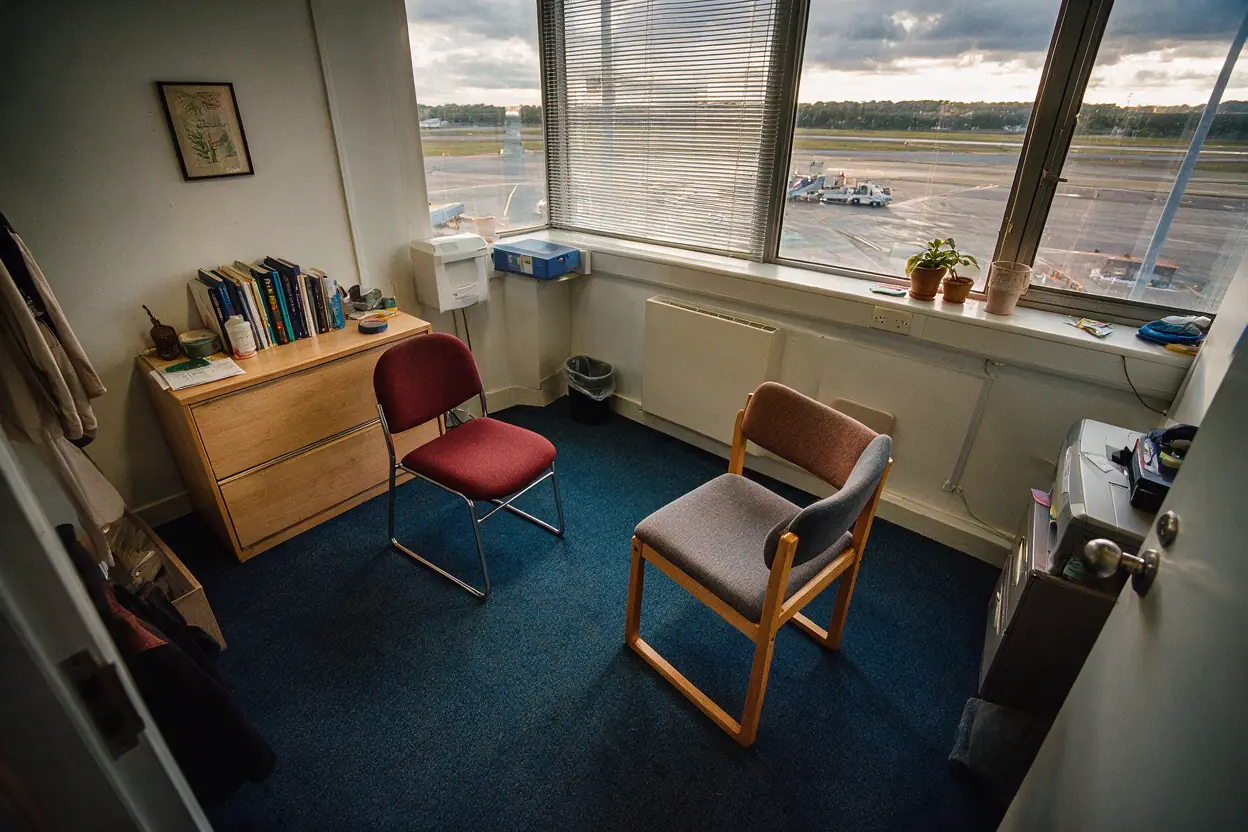
Outpatient rehab is treatment you attend at scheduled times and then return home or to work. It is not a bed you sleep in. Programs range from one or two visits a week to intensive schedules of several hours most days, and the level is chosen after an assessment. Group counseling is common, often with individual sessions and family work. Some programs include medication for opioid use disorder; 237 facilities in New Jersey offer it. Staff help with practical matters like work schedules and transportation, because the point is to fit care around your life.
If you need to keep working, then New Jersey outpatient programs with evening tracks and telehealth can fit around a job. A day in outpatient rehab looks like a set block of time, not a whole day. You might attend a morning group, meet a counselor one-on-one, and go home by afternoon. Urine testing may be part of the program, and so is learning relapse-prevention skills. If withdrawal is a concern, staff will tell you whether you need medical detox first; 46 facilities in New Jersey offer that level. The schedule is the main difference from residential care.
What outpatient rehab is like
- 1
Assessment and level-of-care recommendation
A licensed clinician asks about your substance use, health history, and where you reside. They then recommend a level of care, for example standard outpatient or intensive outpatient. New Jersey's 243 IOP programs serve people needing more hours than standard outpatient provides.
- 2
Schedule and treatment planning
You agree on a schedule that fits your responsibilities. The plan may include group counseling, individual sessions, medication, and drug testing. Ask how many weeks the program lasts and what happens if you miss a session.
- 3
Withdrawal and medical safety
Coming off alcohol or benzodiazepines can be risky so clinical supervision should guide that process. If you are at risk, the program may send you to detox first. New Jersey has 46 facilities that offer medical detox, which can stabilize you before outpatient care starts.
- 4
Progress checks and stepping down
Staff review your progress regularly and adjust the schedule. You may move from intensive outpatient to standard outpatient as you stabilize. The goal is to build a plan you can sustain after treatment ends.

Outpatient rehab options in New Jersey
Statewide in New Jersey, 283 of 330 SAMHSA-listed facilities provide outpatient rehab, and 204 of them accept Medicaid. Among those, 231 accept private insurance, 138 accept Medicare, and 118 offer a sliding fee scale. Cost, then, need not be your first reason to dismiss care. The listings also show 99 programs offering Spanish-language services. Use these figures to narrow your search by payment method and language, then call to verify; the listings are a starting point, not a guarantee.
If you have Medicaid, check that the program is in network before sharing personal details, because New Jersey adopted Medicaid expansion. With private insurance, the Mental Health Parity Act requires most plans to cover substance use treatment on par with medical care, but you still need to check your own plan. A free call to the helpline can help you work out what to ask and which programs in your county are in the listings.

- enroll Medicaid
- 204
- accept commercial plans
- 231
- enroll Medicare
- 138
- have sliding-scale fees
- 118
| Location | City | Care | Takes |
|---|---|---|---|
| Acenda Inc | Sewell | IOP, Outpatient | Medicaid, Medicare, Insurance, Sliding fee |
| Grace Abounds Counseling and | Matawan | PHP, IOP, Outpatient | Medicaid, Medicare, Insurance |
| Veronica Mullin LCADC LCSW | Matawan | IOP, Outpatient | Medicare, Insurance, Sliding fee |
| YMCA of New Jersey Shore | Matawan | IOP, Outpatient | Medicaid, Medicare, Insurance |
| ARS Treatment Centers of New Jersey | Absecon | Outpatient | Medicaid, Medicare, Insurance |
| Integrity Inc | Newark | PHP, IOP, Outpatient | Medicaid, Medicare, Insurance, Sliding fee |
| Integrity Inc | Newark | PHP, IOP, Outpatient | Medicaid, Medicare, Insurance, Sliding fee |
| Prime Healthcare Services | Newark | IOP, Outpatient | Medicaid, Medicare, Insurance |
| Ocean Healthcare PCP/Camden | Berlin | PHP, IOP, Outpatient | Medicaid, Insurance |
| Addiction Recovery Consultants | Berlin | PHP, IOP, Outpatient | Insurance |
Based on SAMHSA FindTreatment.gov records. Offerings and payment options shift; verify by calling.
Paying for outpatient rehab in NJ
Medicaid covers outpatient rehab in New Jersey, and 204 outpatient programs accept it, while 231 accept private insurance. Medicare is accepted at 138 programs, and 118 offer a sliding fee scale. If you lack insurance ask about sliding fees and state-funded options. The helpline can explain what to ask, but only the program can confirm your cost. A call costs nothing and binds you to nothing. No one can promise admission or coverage, so pay nothing until you understand the bill.
Who outpatient rehab in New Jersey fits
- People who have a stable place to live and a support system at home, and who do not need 24-hour supervision.
- Those with mild to moderate withdrawal symptoms, or who have completed detox and want structured follow-up.
- If you must keep working or care for family, you can choose from 246 New Jersey programs offering telehealth.
- Anyone with a dual diagnosis, since 228 outpatient programs in New Jersey provide dual diagnosis treatment.
Common questions
How much does outpatient rehab cost in New Jersey?
There is no single price, and no cost is listed here because it depends on the program and your insurance. What we can say is that 204 of the 283 outpatient programs in New Jersey accept Medicaid, 231 accept private insurance, and 118 offer a sliding fee scale. Call the helpline to ask which programs match your coverage before you commit.
Does New Jersey Medicaid cover outpatient rehab?
Yes, Medicaid does cover outpatient rehab in New Jersey, and 204 outpatient programs take it. Because New Jersey adopted Medicaid expansion, more adults may be eligible. Coverage depends on your particular plan and on whether the program is in network. Have the program verify your eligibility before you begin, and do not assume you have no insurance without checking.
How does outpatient rehab differ from inpatient rehab?
Outpatient rehab means you attend treatment on a schedule and live at home; 283 programs in New Jersey offer it. Inpatient rehab means you stay overnight at a facility; 53 programs offer that level. Outpatient suits people with stable housing, while inpatient may be needed for severe withdrawal or lack of a safe home environment.
Is it possible to keep working while in outpatient rehab in New Jersey?
Often yes, because outpatient schedules can include evening sessions. Among New Jersey outpatient programs, 246 offer telehealth, which can reduce travel. The right schedule depends on the level of care: standard outpatient usually takes fewer hours than intensive outpatient. Ask the program about evening and weekend options when you call.
What if I need detox before outpatient rehab?
When withdrawal could be dangerous, medical detox may come first. New Jersey has 46 facilities that offer medical detox, and some outpatient programs can refer you. Stopping alcohol or benzodiazepines can be risky, so clinical supervision should guide it. Do not try to handle withdrawal on your own without speaking to a clinician.
How do I find free or low-cost outpatient rehab in New Jersey?
Begin with the 118 New Jersey outpatient programs that use a sliding fee scale for fees, and ask about Medicaid when you qualify. The state has adopted Medicaid expansion, so more residents may be covered. Calling the helpline costs nothing and its staff can help you find programs worth contacting, though no one can promise free treatment. Ask every program about every payment option it offers.