Rehab locations New Jersey
Finding rehab locations in New Jersey begins with reading each listing closely. The state has 330 facilities listed by SAMHSA, from detox to outpatient counseling. This guide helps you compare options without pressure.
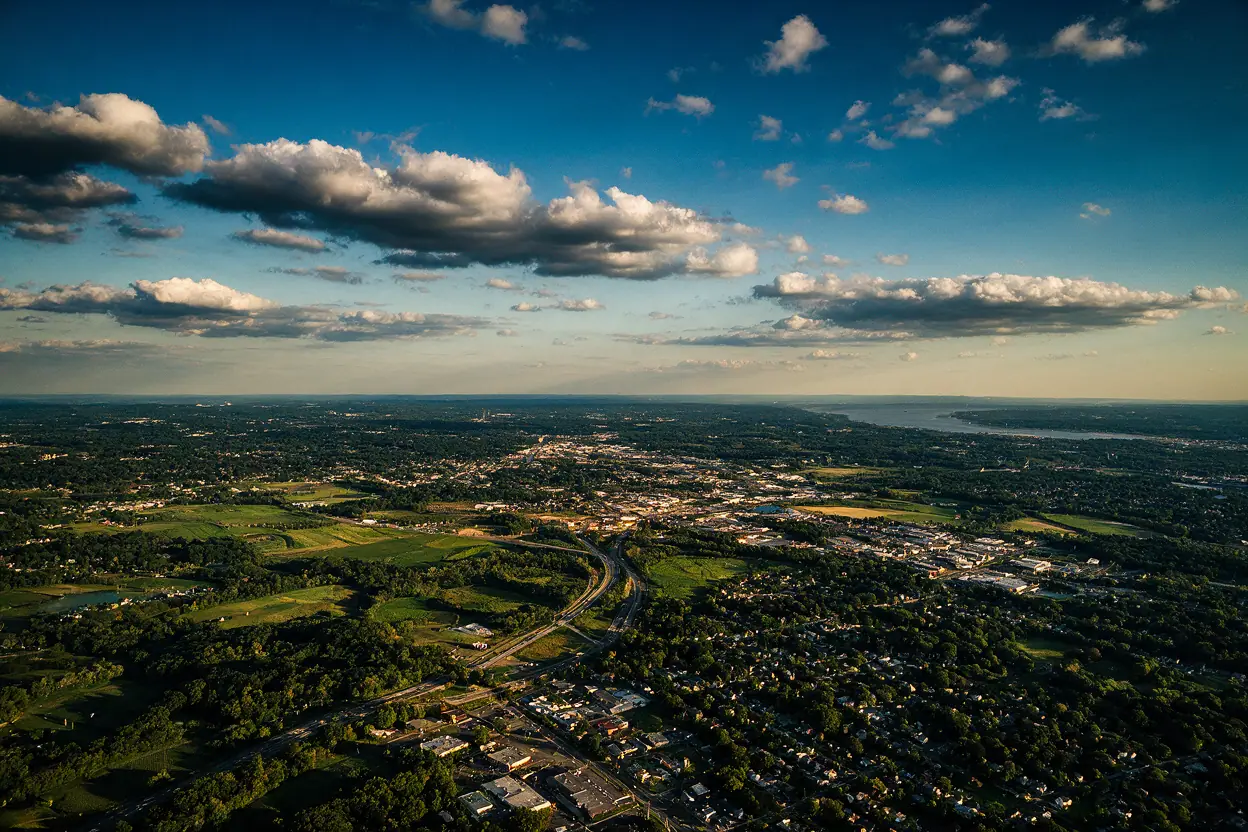
Treatment programs in New Jersey vary widely in design. Certain centers offer medical detox, others provide residential care, and plenty concentrate on outpatient services so people can stay at home. The right match hinges on which substance is involved, how long someone has been using, and what insurance pays for. SAMHSA-listed facilities are a sensible place to begin, but you still need to ask about licensing, payment, and whether a particular program suits your situation. Calling the helpline at no charge can help you work through the details.
These listings come from SAMHSA FindTreatment.gov and were current as of November 2026. Statewide, 330 facilities are listed, and in Newark 15 accept Medicaid. That is significant, because Medicaid funds more addiction treatment than any other payer nationally, and New Jersey's program covers a range of services. If you pay out of pocket, request a written estimate before you commit. With commercial insurance, the Mental Health Parity Act means most plans must cover substance use treatment on the same terms as medical care. Knowing these rules makes searching easier.

How New Jersey rehab centers differ
What New Jersey rehab centers provide varies widely by city, so narrowing 330 facilities comes down to three checks: level of care, how you will pay, and location. Detox is listed at 2 facilities in Newark and 3 in Paterson, while Toms River and Trenton list no detox beds. Those gaps matter when someone needs medical supervision during withdrawal. Withdrawal from benzos and alcohol can be unsafe thus a facility with 24-hour medical staff is often the safer choice. Residential programs add another distinction: Newark lists 6 residential facilities and Morristown lists 3, but Trenton and Matawan list none. Outpatient care fills many of those gaps. Cherry Hill lists 10 facilities, including 3 with detox, and 5 accept Medicaid, which gives people in South Jersey more options near home. Payment is the other dividing line. Statewide, Medicaid is accepted at 15 facilities in Newark and 5 in Cherry Hill, but not every center takes it. If you depend on Medicaid, confirm acceptance before you schedule an intake, since a listing does not guarantee an open bed or a covered service. Other programs commonly take private insurance and self-pay. Accreditation by CARF or the Joint Commission shows a facility met outside standards, worth checking when comparing residential programs. For anyone who needs medication-assisted treatment, Suboxone and other medications are offered at some centers, so ask specifically. These counts reflect listings, not quality. A short call can narrow the list to programs that fit your insurance and your level of care.
| Area | Locations | Detox | Residential | Medicaid |
|---|---|---|---|---|
| Newark | 16 | 2 | 6 | 15 |
| Cherry Hill | 10 | 3 | 2 | 5 |
| Toms River | 7 | 0 | 1 | 5 |
| Trenton | 7 | 0 | 0 | 5 |
| Matawan | 6 | 0 | 0 | 4 |
| East Orange | 6 | 2 | 1 | 5 |
| New Brunswick | 6 | 1 | 2 | 3 |
| Freehold | 5 | 0 | 0 | 2 |
| Morristown | 5 | 0 | 3 | 3 |
| Paterson | 5 | 3 | 3 | 4 |
| Asbury Park | 4 | 0 | 1 | 4 |
| Brick | 4 | 0 | 0 | 2 |
Common questions
How much does detox cost in New Jersey?
Detox has no fixed price, because the cost depends on which facility you choose, how much medical oversight your situation requires, and how long you stay. SAMHSA does not publish prices. The listings do show that detox is offered at only 2 facilities in Newark and 3 in Cherry Hill, so demand can be high. Common ways to cover it include Medicaid, private insurance, and self-pay. Statewide, Medicaid is accepted at 15 facilities in Newark, so coverage might be within reach if you qualify. With commercial insurance, federal parity law requires most plans to handle substance use care the way they handle other medical care. Request a written estimate before you commit.
Which rehab locations in New Jersey accept Medicaid?
In Newark, 15 of the 16 listed facilities take Medicaid, and in Cherry Hill 5 of 10 do. Across the state, many of the 330 SAMHSA-listed facilities accept Medicaid, though not every one does. New Jersey's Medicaid program pays for several kinds of addiction treatment. Before you call a center, ask whether it takes your particular Medicaid plan and has room for a new patient. If you depend on Medicaid, then confirm your coverage before booking an intake. The helpline costs nothing to call and can point you to listings that fit your coverage.
How long do people spend in rehab in New Jersey?
How long you stay depends on the level of care. Outpatient care may continue for months; residential programs often last 28 days or more, and detox usually runs from a few days through a full week. SAMHSA listings do not report average lengths of stay, so ask each facility directly. MedlinePlus notes that withdrawal timing varies by substance, which shapes how long medical supervision is needed. Residential programs in Newark number 6, and Morristown lists 3, letting you compare bed availability. Insurance plans may cap the number of days covered. A treatment advisor can help you weigh what each program offers.
How can I locate free or low-cost rehab in New Jersey?
No-cost and reduced-cost care frequently comes through Medicaid or programs the state funds. According to the listings, 15 Newark facilities accept Medicaid, and 5 in Paterson do too. Not every service is free, but Medicaid can pay for detox, outpatient, and residential care if you qualify. If you lack insurance, then ask each center about sliding-scale fees and state funding. The main public payer in New Jersey is its Medicaid program. The helpline can help you locate nearby listings that take Medicaid.
Which New Jersey rehab centers offer detox?
Detox is listed at 2 facilities in Newark, 3 in Cherry Hill, 2 in East Orange, and 1 in New Brunswick. Toms River, Trenton, Matawan, and Freehold have nothing listed, so residents there may need to travel. Withdrawal from alcohol or benzodiazepines can be hazardous, which is why a clinician should be watching. When detox is needed, choose a facility with 24-hour medical staff. The helpline can help you compare detox listings by payment option and location.
Does insurance cover rehab in New Jersey?
Many insurance plans cover addiction treatment, and federal parity law requires most commercial plans to treat substance use services the same as medical care. Medicaid is accepted at 15 facilities in Newark and 5 in Cherry Hill, so public coverage may suit some people. With private insurance, ask the facility for a written benefits check before committing. Coverage varies with your plan, the care level, and medical necessity. The helpline can help you prepare questions for your insurer.