Princeton Center for Eating Disorders Plainsboro Township
Princeton Center for Eating Disorders Plainsboro Township is a residential program at 1 Plainsboro Rd. It is one of 330 SAMHSA-listed facilities in New Jersey and opened in 2012. The center treats eating disorders in adolescents and adults.

Joint CommissionResidential Rehab30 days
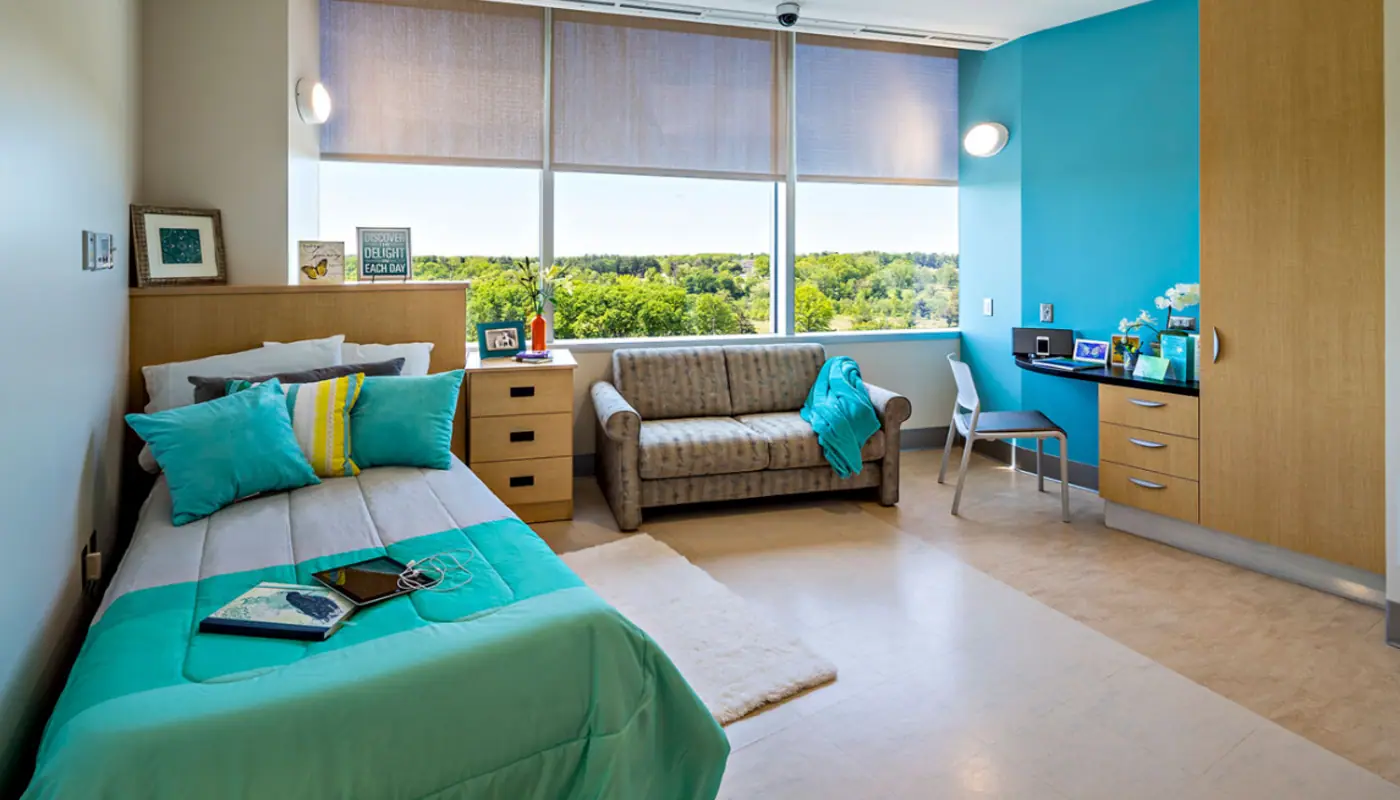
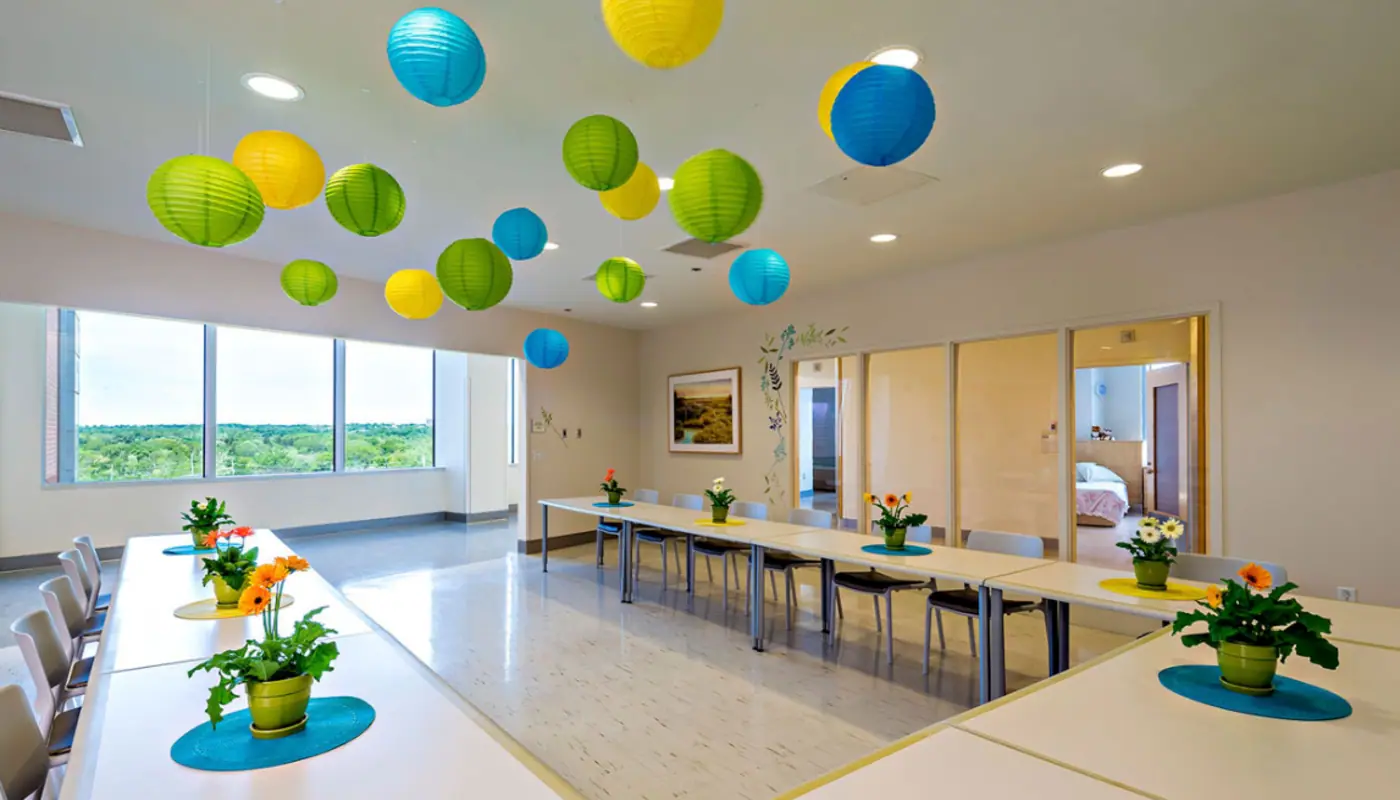
Princeton Center for Eating Disorders Plainsboro Township is part of a larger medical center, so residents receive focused eating disorder care and can also get attention for other health conditions that may arise. That matters for someone whose eating disorder has affected the heart, bones, or digestive system and who may need more than therapy alone.
Most stays last roughly 30 days, though length is set case by case. If you are weighing residential eating disorder programs in New Jersey, then ask how the daily schedule balances group work with individual sessions. Days mix group activities with personalized therapy, and weekly family sessions keep loved ones involved. Meals come with attentive guidance, and staff aim to keep the setting calm rather than pressured.
This center holds Joint Commission accreditation, a point worth confirming as you compare programs. When you phone the helpline, then a trained advisor can check bed availability at this Plainsboro Township center and other New Jersey facilities. The call is free and keeps your details private.
Princeton Center for Eating Disorders
Residential rehab is the level of care offered here, meaning people live on site while they receive treatment. The program draws on cognitive behavioral therapy and dialectical behavior therapy alongside 1-on-1 counseling and group therapy. Family therapy and expressive arts are also part of the mix, all aimed at the patterns that keep an eating disorder going.
Creative and calming options fill out the week: art therapy, music therapy, meditation and mindfulness, along with yoga and cooking classes. If you are comparing New Jersey rehabs, then ask how often each therapy meets and who leads the sessions. The program describes itself as evidence-based and non 12 Step.
- Group Therapy
- Expressive Arts
- Meditation & Mindfulness
- Art Therapy
- Dialectical Behavior Therapy
- Family Therapy
- Non 12 Step
- Music Therapy
- 1-on-1 Counseling
- Holistic
Who this program is designed to help
- Adolescents who need structured support while school continues
- Young adults navigating an eating disorder during a transitional phase
- Midlife adults whose symptoms need residential attention
- Men and women seeking a non 12 Step, evidence-based approach
- People who need medical monitoring alongside eating disorder care
- Families who want to take part in weekly therapy sessions
Setting, length of stay, and daily life
Expect a stay of roughly 30 days in a home-like space with 16-30 beds, bright common areas, and access to nature. If you prefer a smaller residential setting, then this center's bed range may suit you better than a larger hospital unit. Rooms are air-conditioned, some private, with internet access and computers available. Chef-prepared meals include vegetarian and kosher options, and English is the language of care. A classroom with teachers helps students keep up with schoolwork, and yoga, meditation, and cooking classes fill out the schedule.
- Access to Nature
- Business Center, Computers
- Chef-prepared Meals
Paying for treatment
One payment option the center offers is cash pay at listed rates. Prices are not published, and insurance coverage depends on your plan, the level of care, and whether the program is in network. Since coverage for residential eating disorder care varies widely, then verify your benefits by phone before you rely on any figure. The helpline can help you check insurance and costs at no charge, with no obligation to enroll. If you are considering other New Jersey treatment centers, ask about those too.
Worthwhile questions prior to admission
- Does my insurance cover residential eating disorder care here, and what will I owe?
- What determines the 30-day length of stay, and is extending it possible?
- Who provides medical monitoring, and how are refeeding risks handled?
- How often does family therapy meet, and can relatives join remotely?
- What happens on discharge, and how is outpatient follow-up arranged?
Additional centers to weigh
-
Toms RiverNJ
Ocean Medical Services
4.5/5Google reviews: 36
Typical stay 30 days
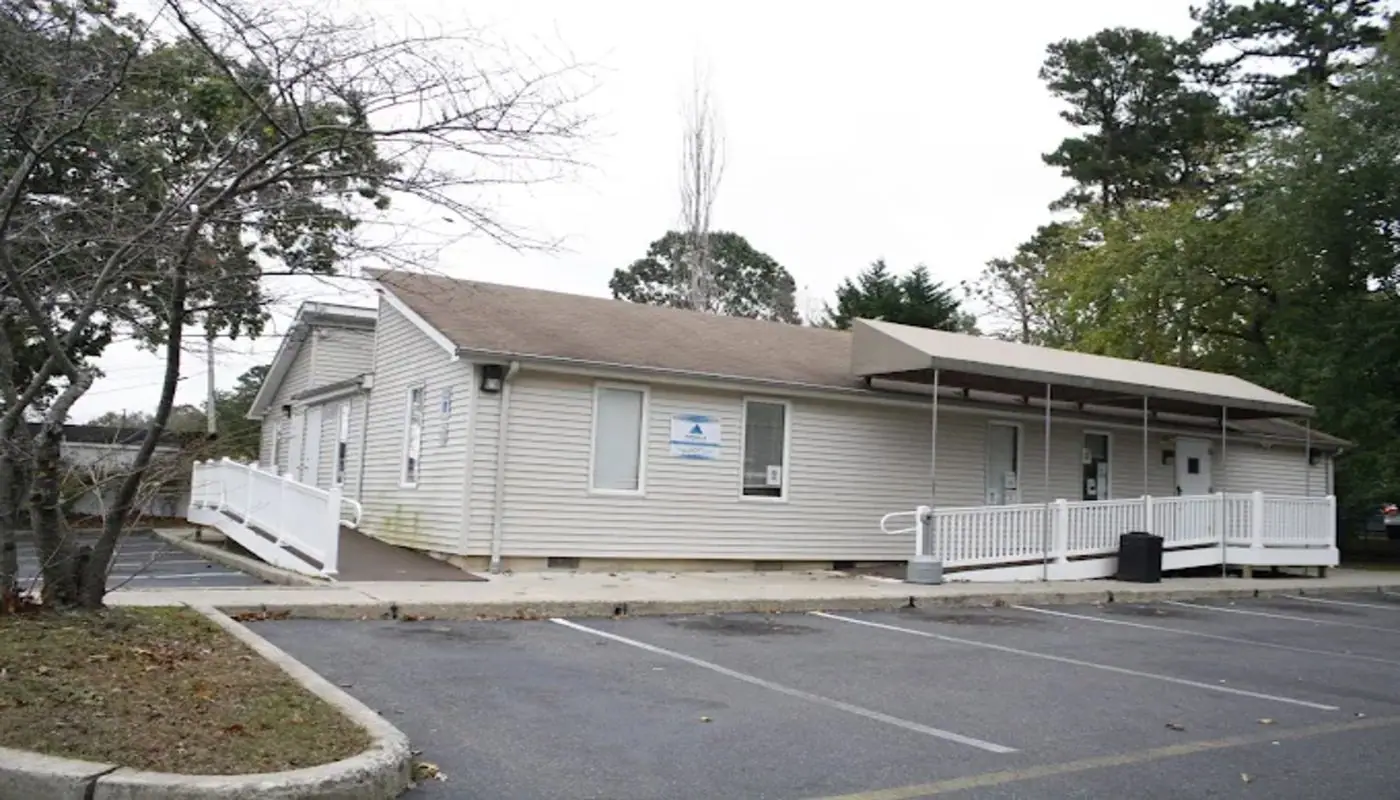
Ocean Medical Services is a treatment center in Toms River, New Jersey.
- Outpatient
- Detox
- Co-Occurring Mental Health
-
DoverNJ
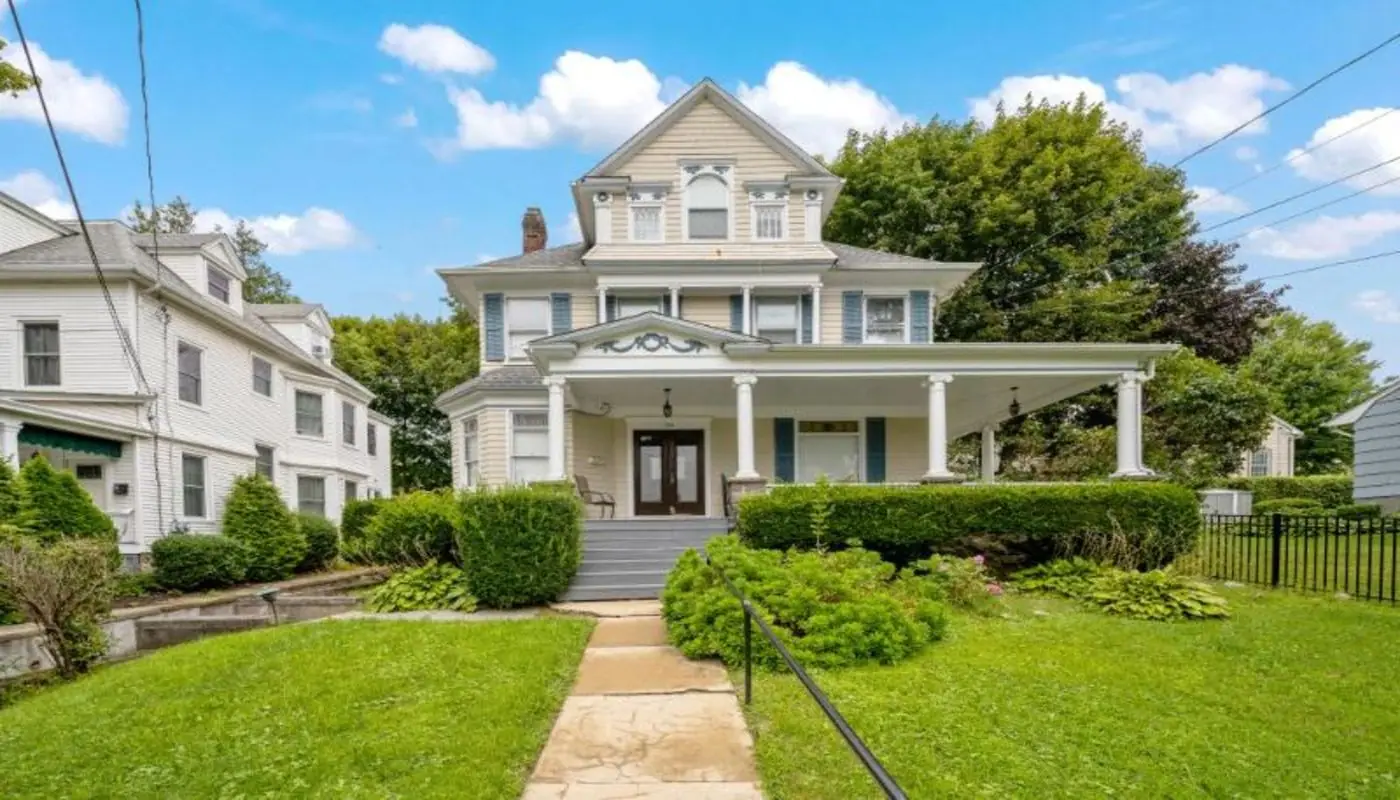
Excel Treatment Center
4.8/5Google reviews: 95
Typical stay 30 days
Excel Treatment Center Dover offers outpatient care for mental health needs as well as substance use and substance use disorders.
- Outpatient
- Co-Occurring Mental Health
Joint Commission View center
-
ClintonNJ
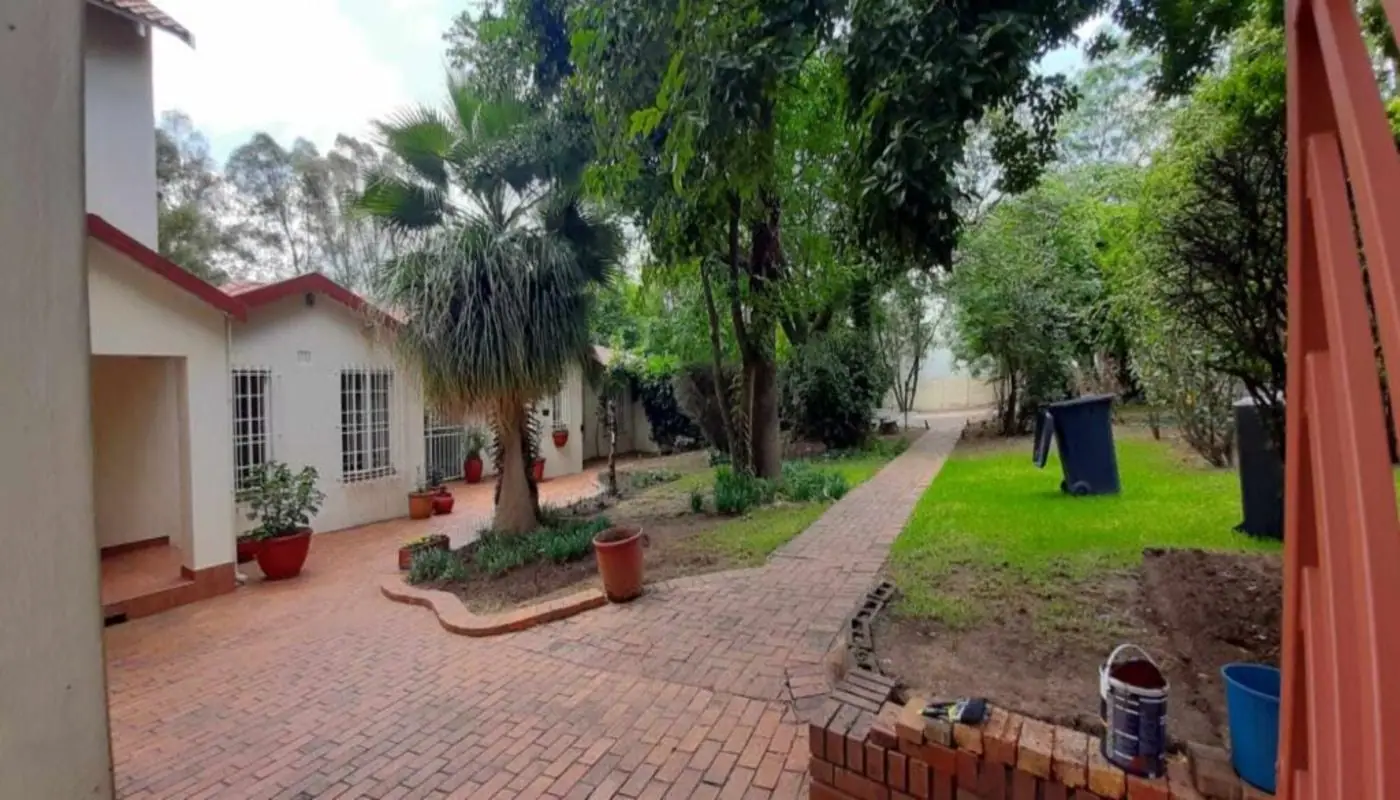
New Horizon Halfway House Ferndale
Typical stay 30 days
New Horizon Halfway House Ferndale Clinton offers a 30-day transitional living option.
-
SummitNJ
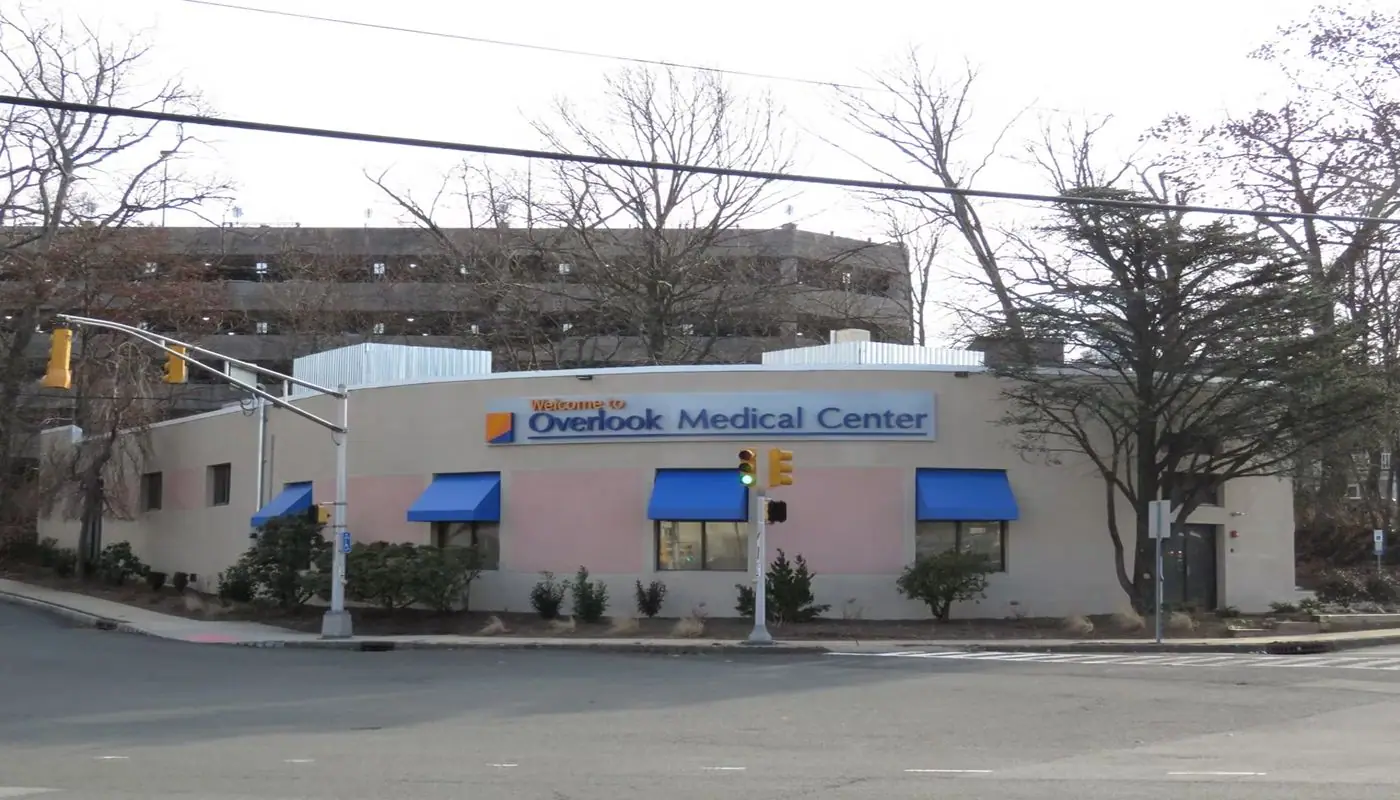
Overlook Medical Center Outpatient
2.4/5Google reviews: 20
Typical stay 5 days
Overlook Medical Center Outpatient Services in Summit offers structured care for people who live at home.
- Outpatient
Joint Commission View center
-
VoorheesNJ
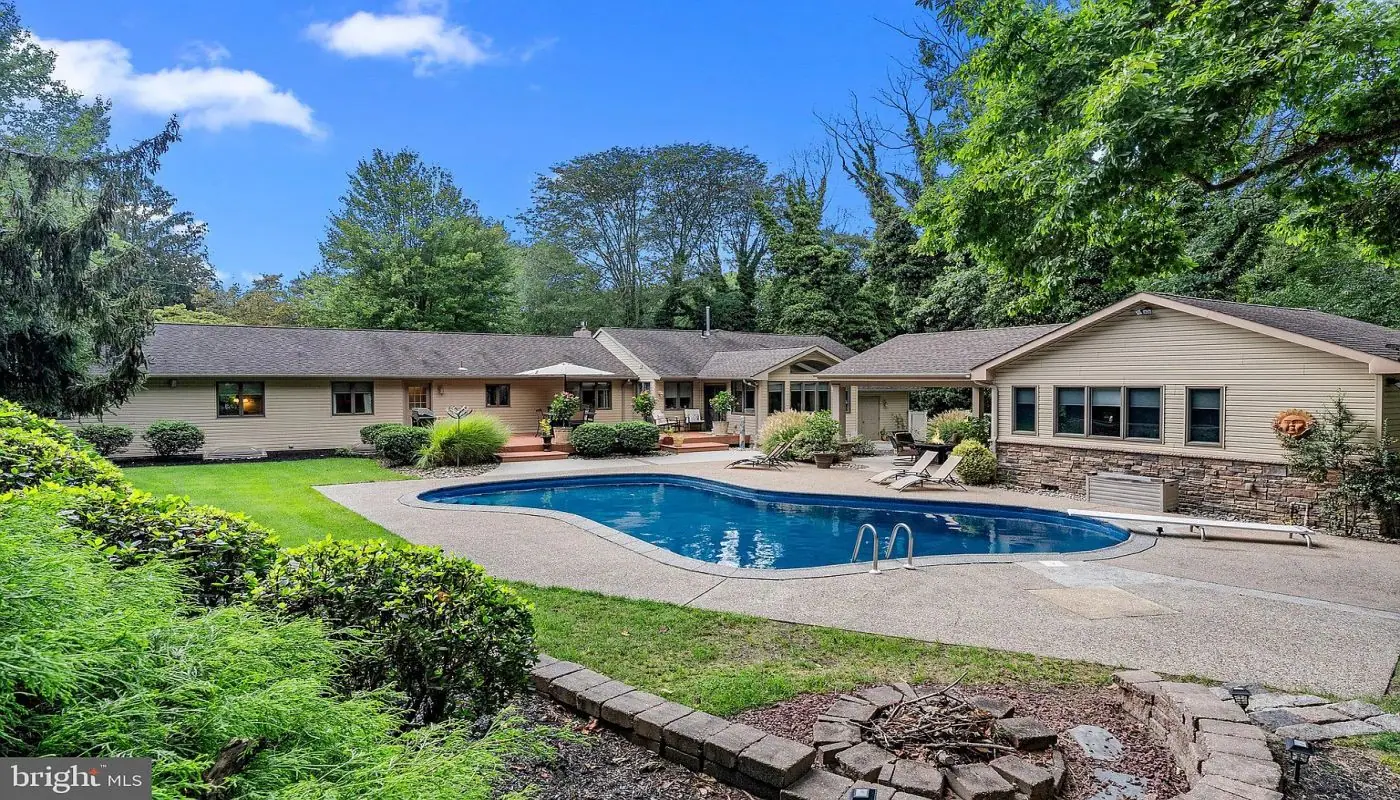
New Jersey Sober Living
Typical stay 30+ days2-5 beds
New Jersey Sober Living Voorhees is a small sober living home for adults in recovery.
- Outpatient
- Sober Living
- Co-Occurring Mental Health
-
MountainsideNJ
The Recovery Team
5.0/5Google reviews: 88
Typical stay 30 days
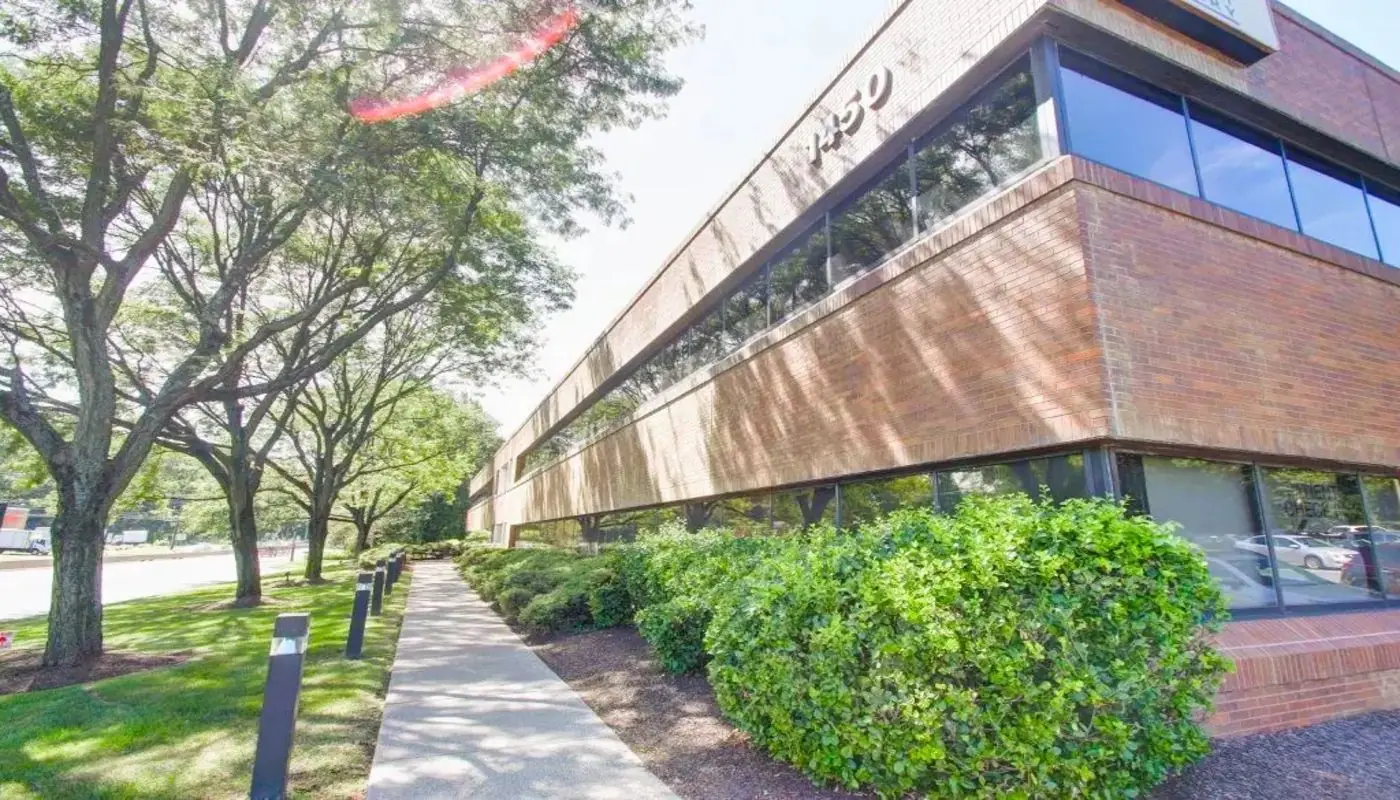
Located at 1450 US-22 in Mountainside, The Recovery Team Mountainside is a rehab in New Jersey.
- Outpatient
- Detox
- Co-Occurring Mental Health
Joint Commission View center


Common questions
How long is treatment at Princeton Center for Eating Disorders?
The usual program length shown is 30 days. Residential care for eating disorders often lasts longer or shorter, shaped by medical stability, weight restoration goals, and how someone responds to treatment. Ask the clinical team how discharge dates get set and what aftercare involves. Before making plans, the helpline can help you check whether a bed is open at this Plainsboro Township center, at no cost and with nothing expected of you.
Is Princeton Center for Eating Disorders accredited?
Yes. This center is Joint Commission accredited and began operating in 2012. Accreditation shows a program was reviewed against safety and care quality standards, though it does not promise outcomes. As you compare New Jersey centers, ask what the accreditation review found and whether the program treats the particular diagnosis you face. The helpline can help you collect that information.
What levels of care does this Plainsboro Township center offer?
This center offers residential rehab, and people stay on site for about 30 days in a setting with 16-30 beds. Therapy includes dialectical behavior therapy cognitive behavioral therapy and family therapy creative arts. Since the program focuses on eating disorders, ask the helpline about other SAMHSA listed centers nearby if you need detox or outpatient care.
Does this center accept Medicaid or insurance?
The facts list cash pay rates, and insurance acceptance is not stated. Coverage for residential eating disorder treatment varies widely by plan, so verify benefits by phone before relying on any figure. The helpline can walk through your options at no charge. Nothing is promised about admission or payment until the program confirms it directly.
What should I ask about eating disorder treatment in New Jersey?
Ask what level of care is provided, which therapies are offered, and how medical monitoring is handled, since eating disorders can affect the heart and bones. At this center, residential care lasts about 30 days with 16-30 beds. You can confirm insurance coverage and bed availability through the helpline, which costs nothing, stays private, and obligates you to nothing.