Mrs. Wilson's treatment center Morristown
Located on Mount Kemble Avenue, Mrs. Wilson's Treatment Center Morristown has offered care to adults since 1976. SAMHSA's FindTreatment.gov directory lists 330 facilities for New Jersey, and this center is one of them. Here you will find its programs, setting and payment questions explained in straightforward language.
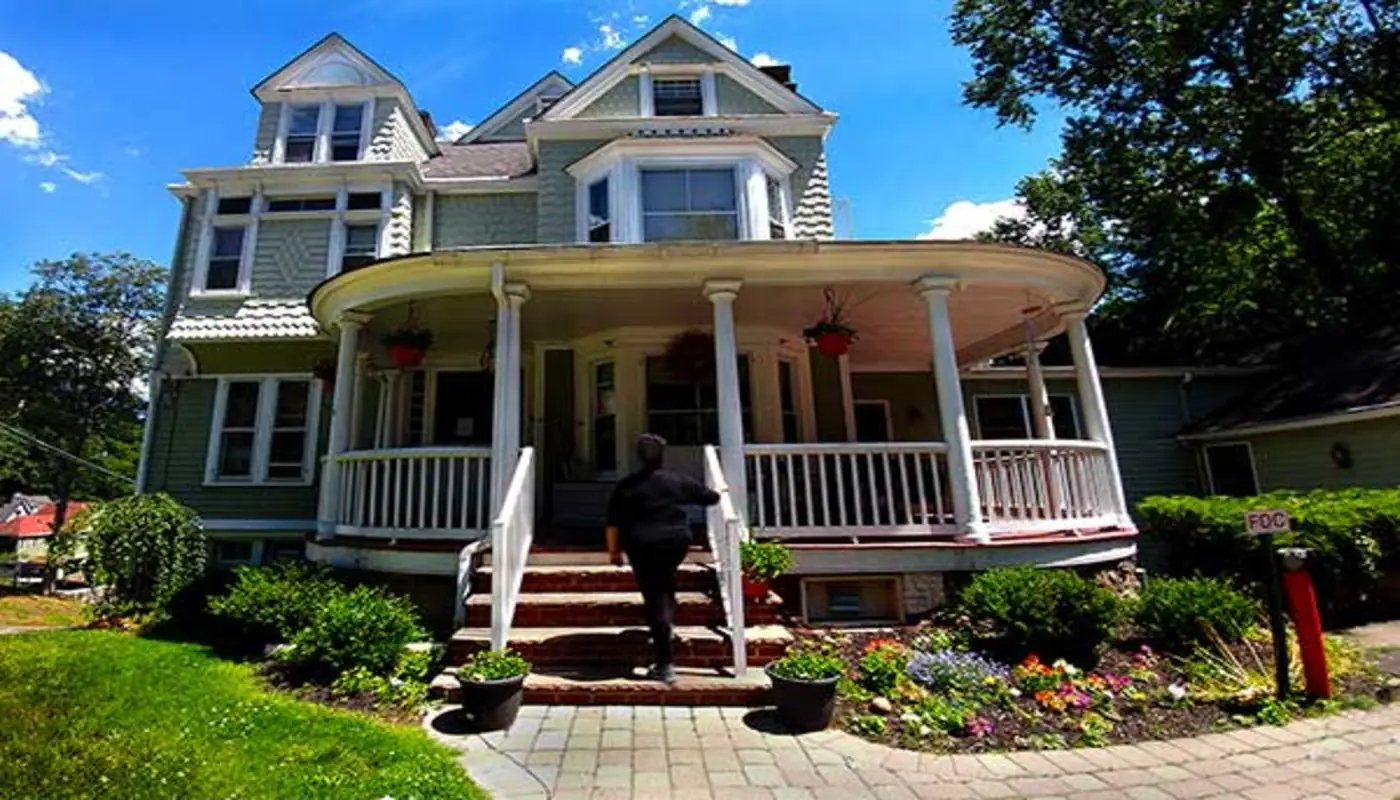
Residential RehabCo-Occurring Mental Health30 days
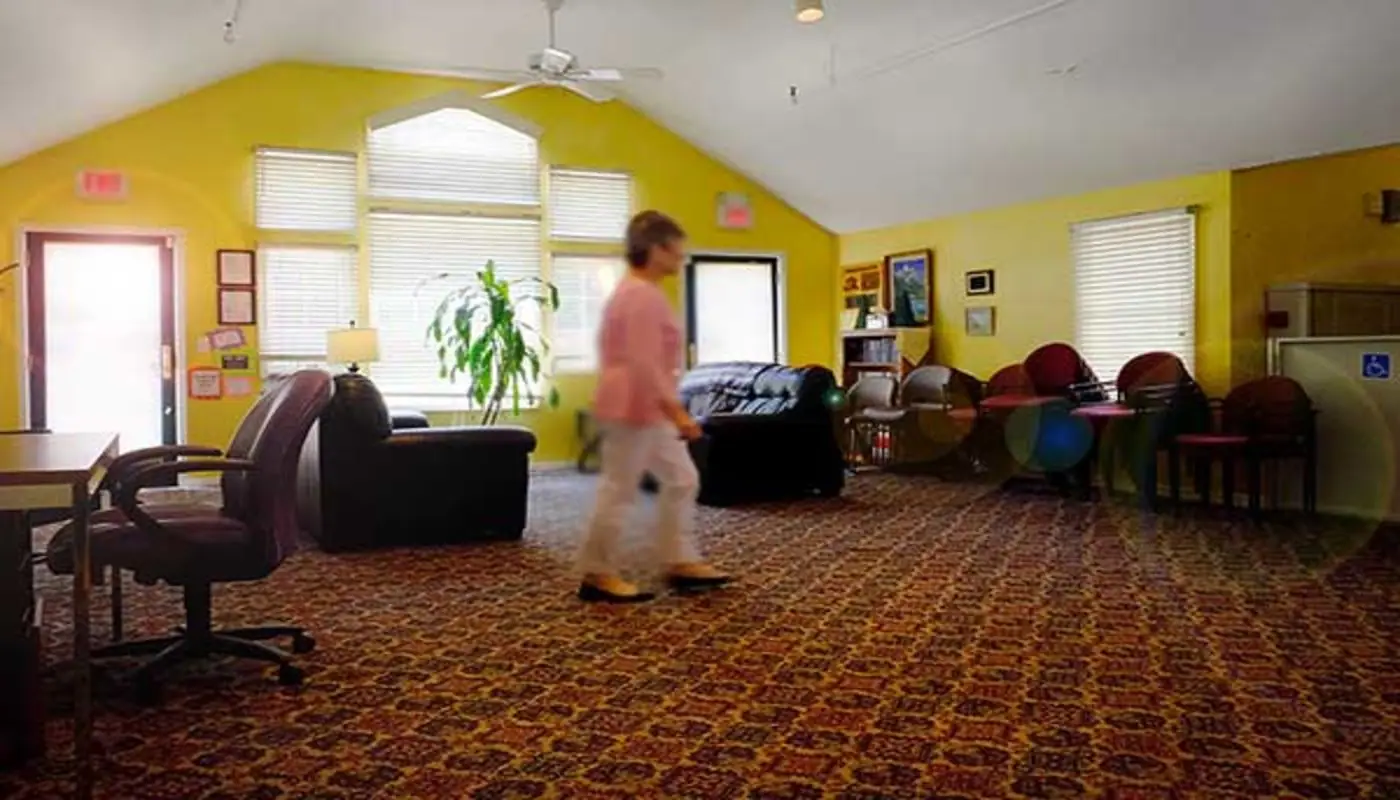

Mrs. Wilson's Treatment Center provides residential care in Morristown for adults with substance use disorders, and it also addresses mental health needs alongside substance use at the same time. The house has been in operation since 1976. An individualized plan guides care, blending therapy, education and practical support instead of separating them into distinct tracks.
According to its own description, this Morristown organization works with women, and the way its services are arranged shows it. Residential treatment, outpatient care and transitional housing all sit within a single program. Therapy happens both individually and in groups, and relatives take part in the process. The team likewise links clients with nearby community resources, which helps the plan remain in place once someone leaves care.
For anyone weighing options across the state, this is one program among many. The helpline on this site is not part of the center and does not arrange admission. It is a free, private line staffed by trained advisors who can help you compare SAMHSA-listed programs and ask the right coverage questions.
Before visiting or calling the center directly, it helps to know what to ask about insurance verification, program length and aftercare. Comparing New Jersey rehab centers with 330 SAMHSA-listed options statewide gives you a realistic picture of how one residential program fits into the wider field.
Programs at this Morristown center
The core offering is residential rehab, typically about 30 days, for adults who need to step away from daily triggers while they stabilize. Mental health needs alongside substance use runs alongside substance use treatment, so depression, trauma or anger issues are addressed in the same plan rather than referred out.
Therapy options include cognitive behavioral therapy, trauma-specific therapy, one-on-one counseling, group and family sessions, and twelve step facilitation. Life skills work and animal therapy round out the week. An intensive outpatient program and continuing care support the move back into everyday life. Outpatient and residential programs in New Jersey that accept Medicaid may differ in what they cover, so confirm the specifics with the center and your plan.
If a clinician suggests residential care but your schedule or insurance points toward outpatient, the intensive outpatient track here may be a more workable place to begin. If withdrawal from alcohol or benzodiazepines is involved, medical oversight should come before admission to any program, since those withdrawals can turn dangerous without clinical monitoring.
- Group Therapy
- Twelve Step
- Trauma Informed
- 1-on-1 Counseling
- Online Therapy
- Cognitive Behavioral Therapy
- Family Therapy
- Gender-Specific
- Animal Therapy
- Life Skills
Who this program is designed to help
- Adults of different ages, including young adults and older adults, who need structured residential care for a substance use disorder.
- Individuals with co-occurring conditions like depression, trauma or anger issues that require simultaneous treatment alongside substance use.
- Individuals dealing with dependence on benzodiazepines, heroin, prescription drugs, ecstasy, psychedelics or synthetic drugs.
- People who have relapsed more than once and want a longer, more supported structure than weekly appointments provide.
- Those preparing to leave residential care who want transitional living and continuing outpatient support in Morris County.
Setting, length of stay and languages
A typical stay lasts about 30 days, although the right length hinges on clinical need and insurance coverage. Rooms are either private or shared. Programming is gender-specific and trauma-informed, and twelve step principles are woven into the schedule. Services are delivered in English.
Paying for care at Mrs. Wilson's
This page does not include payment information, so the center needs to confirm those details directly. Before you agree to a start date, verify insurance benefits over the phone, and ask specifically if the center is in network for your plan. If you lack insurance, inquire about self-pay options and whether the state Medicaid program might apply to your circumstances. The helpline can help you prepare what to ask, but it does not bill, provide price quotes or approve coverage.

Additional centers to weigh
-
Toms RiverNJ
Ocean Medical Services
4.5/5Google reviews: 36
Typical stay 30 days
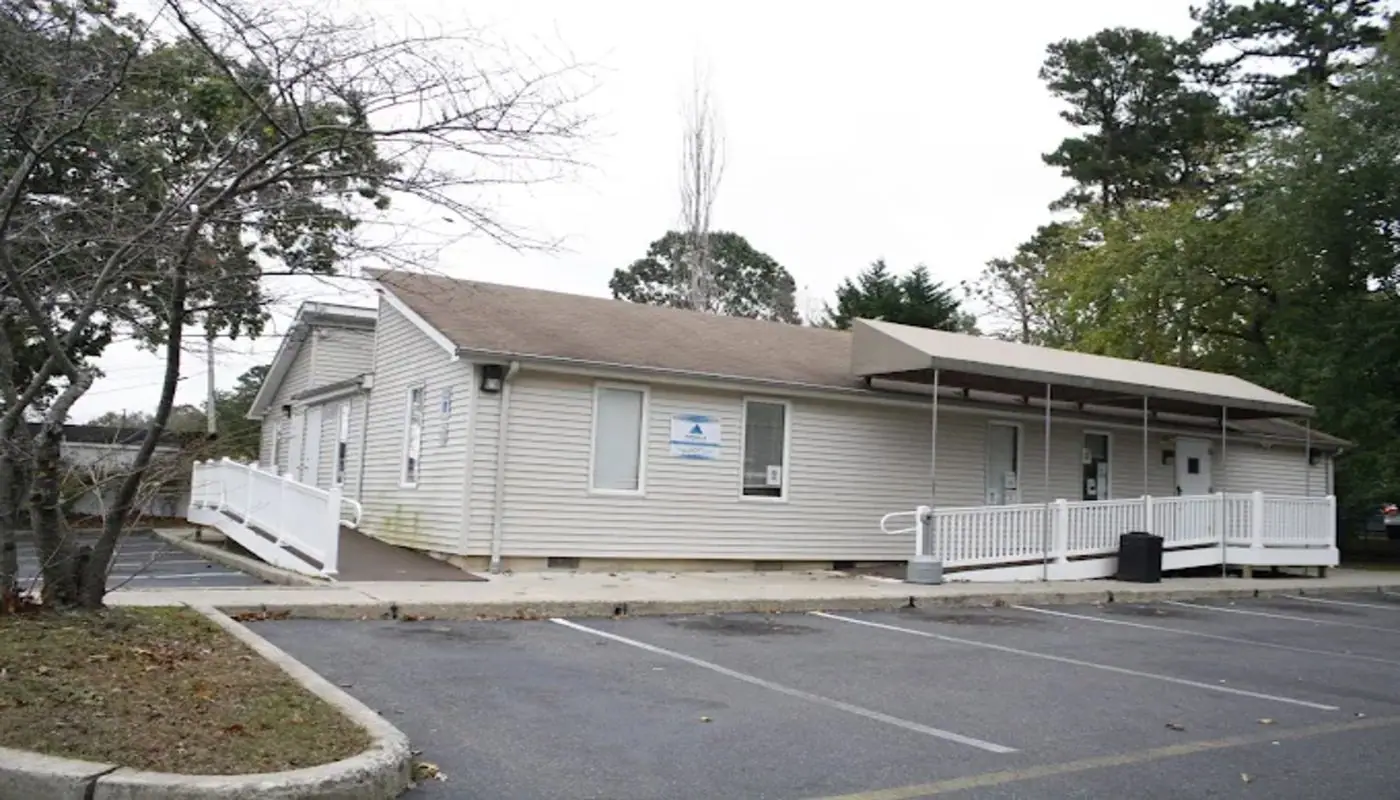
Ocean Medical Services is a treatment center in Toms River, New Jersey.
- Outpatient
- Detox
- Co-Occurring Mental Health
-
DoverNJ
Excel Treatment Center
4.8/5Google reviews: 95
Typical stay 30 days
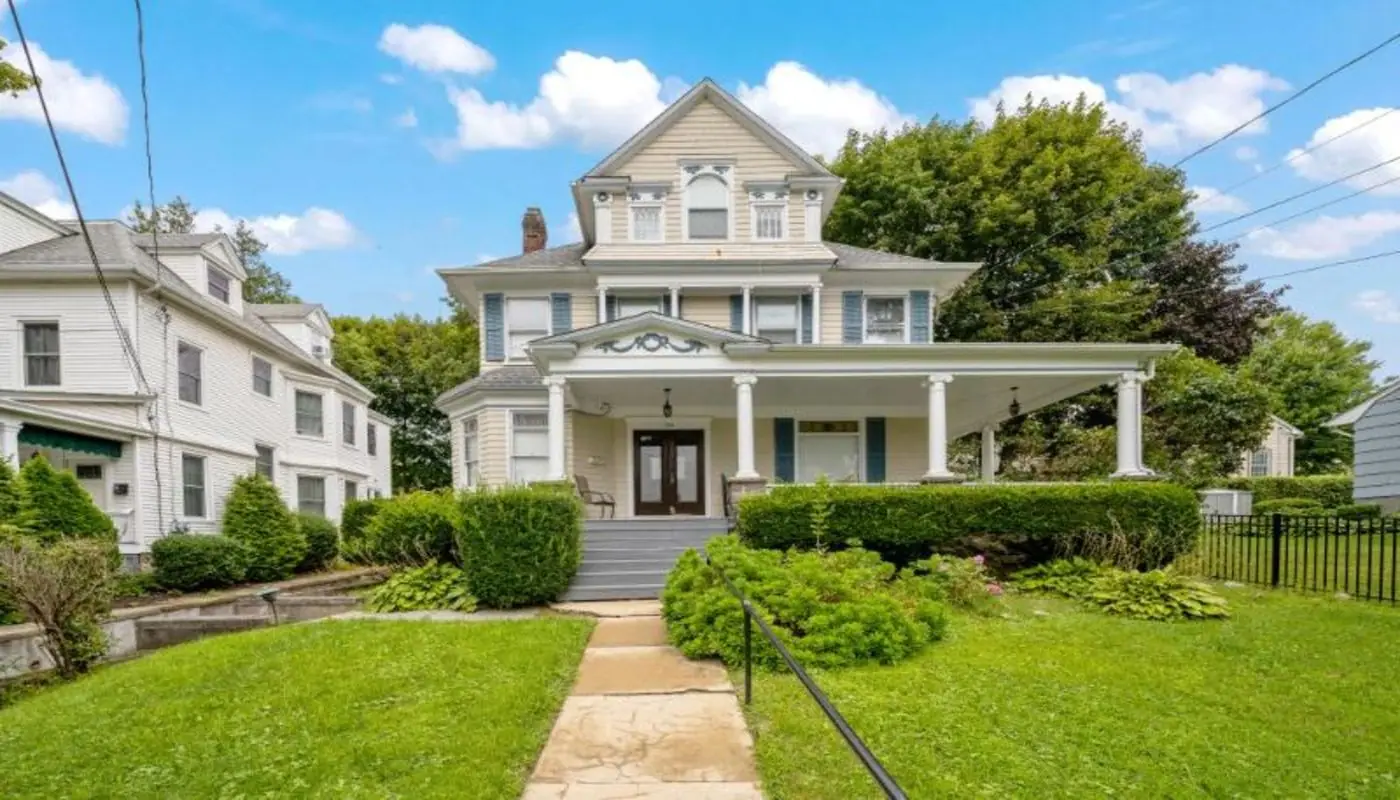
Excel Treatment Center Dover offers outpatient care for mental health needs as well as substance use and substance use disorders.
- Outpatient
- Co-Occurring Mental Health
Joint Commission View center
-
ClintonNJ
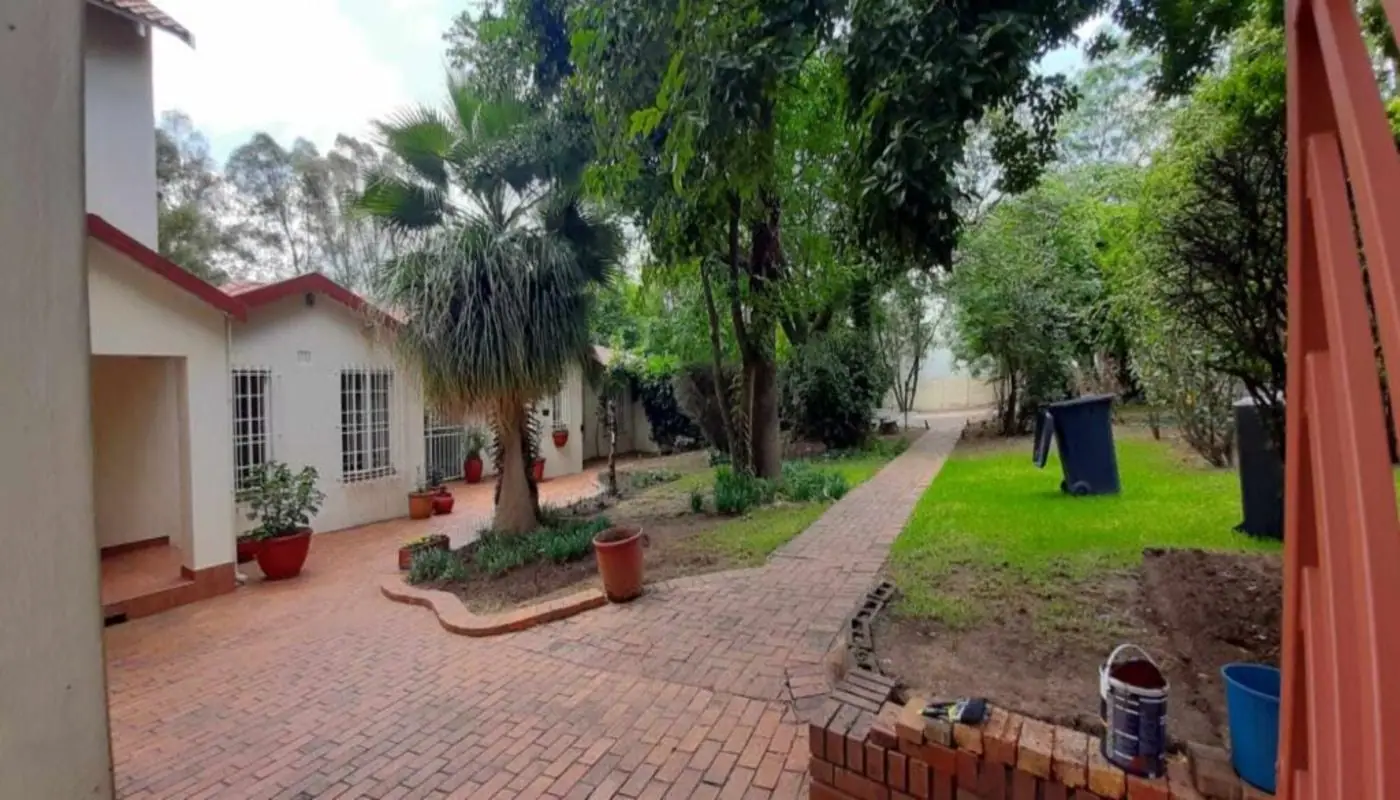
New Horizon Halfway House Ferndale
Typical stay 30 days
New Horizon Halfway House Ferndale Clinton offers a 30-day transitional living option.
-
SummitNJ
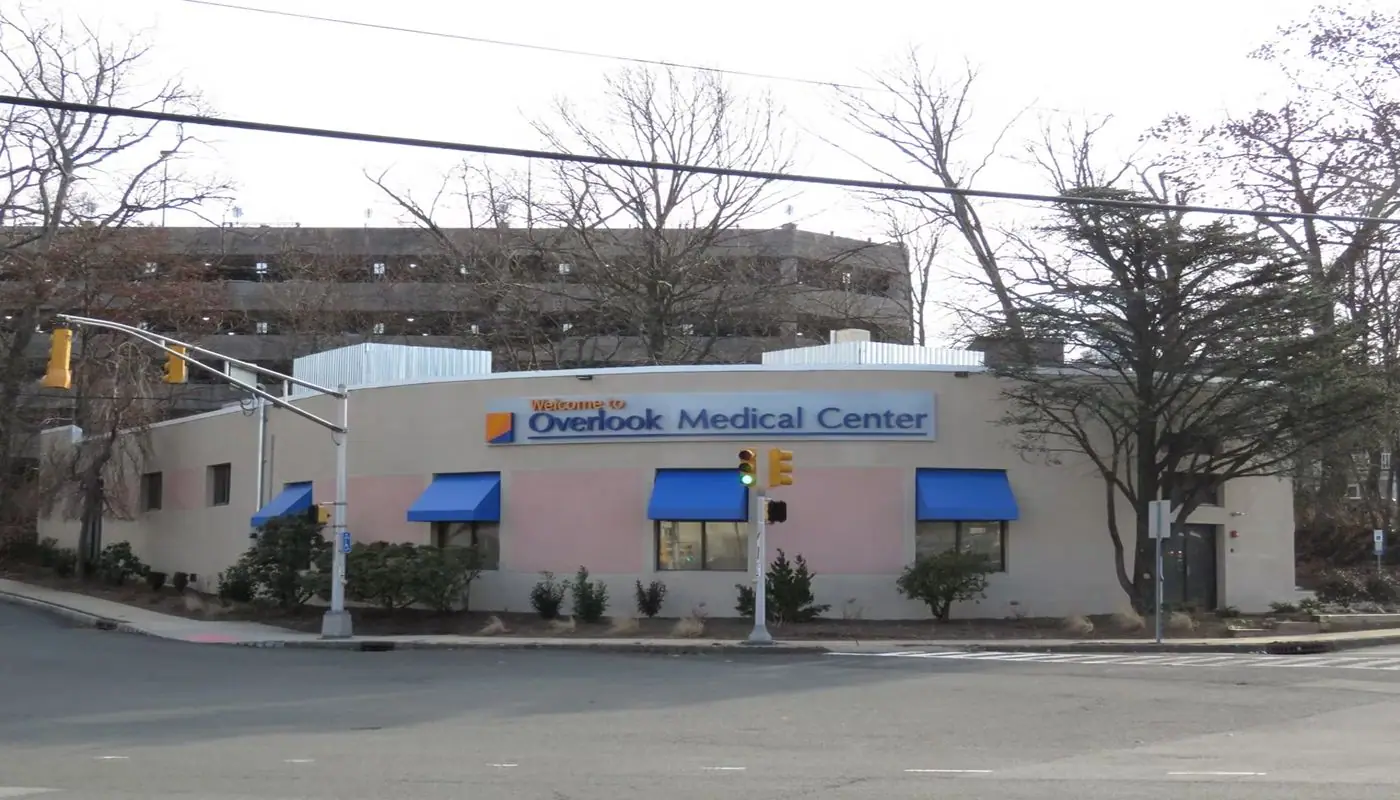
Overlook Medical Center Outpatient
2.4/5Google reviews: 20
Typical stay 5 days
Overlook Medical Center Outpatient Services in Summit offers structured care for people who live at home.
- Outpatient
Joint Commission View center
-
VoorheesNJ
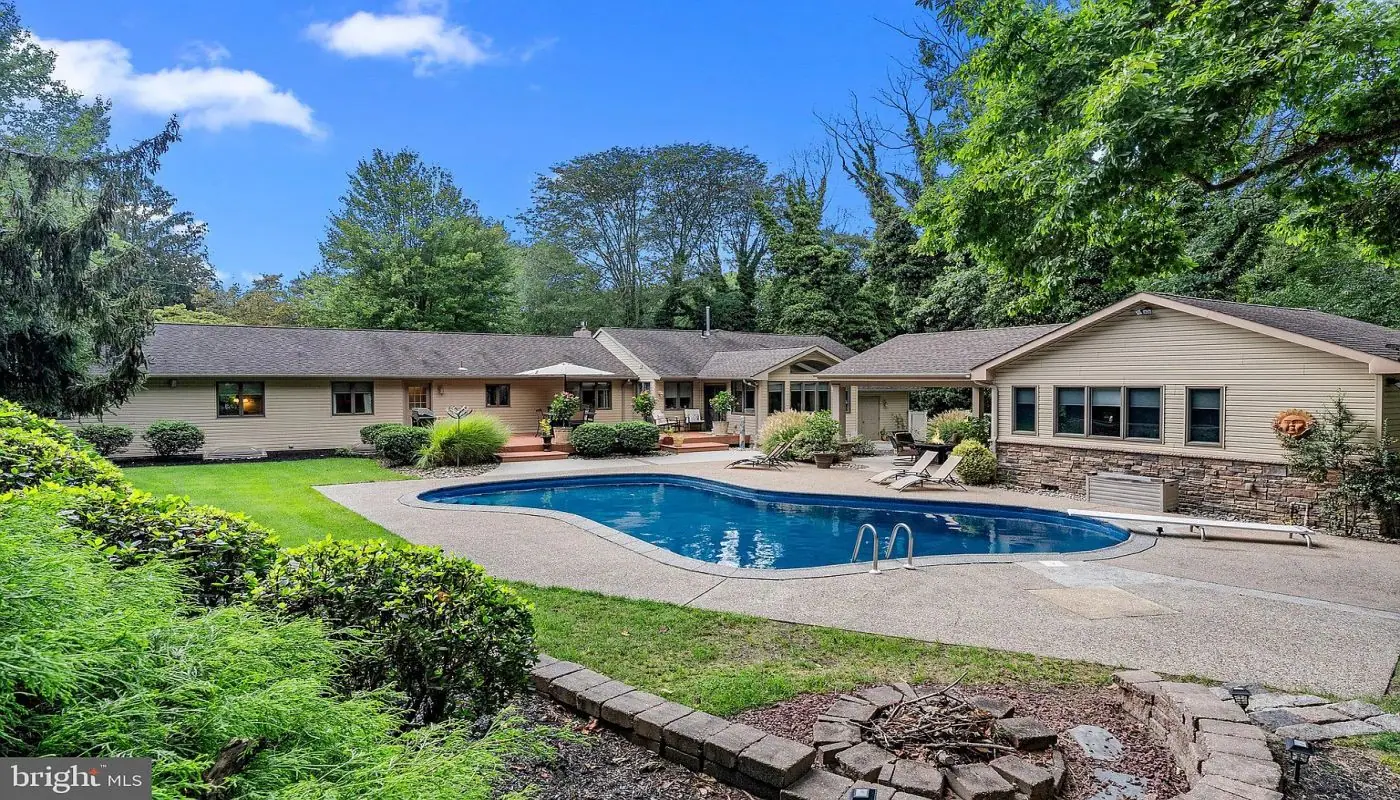
New Jersey Sober Living
Typical stay 30+ days2-5 beds
New Jersey Sober Living Voorhees is a small sober living home for adults in recovery.
- Outpatient
- Sober Living
- Co-Occurring Mental Health
-
MountainsideNJ
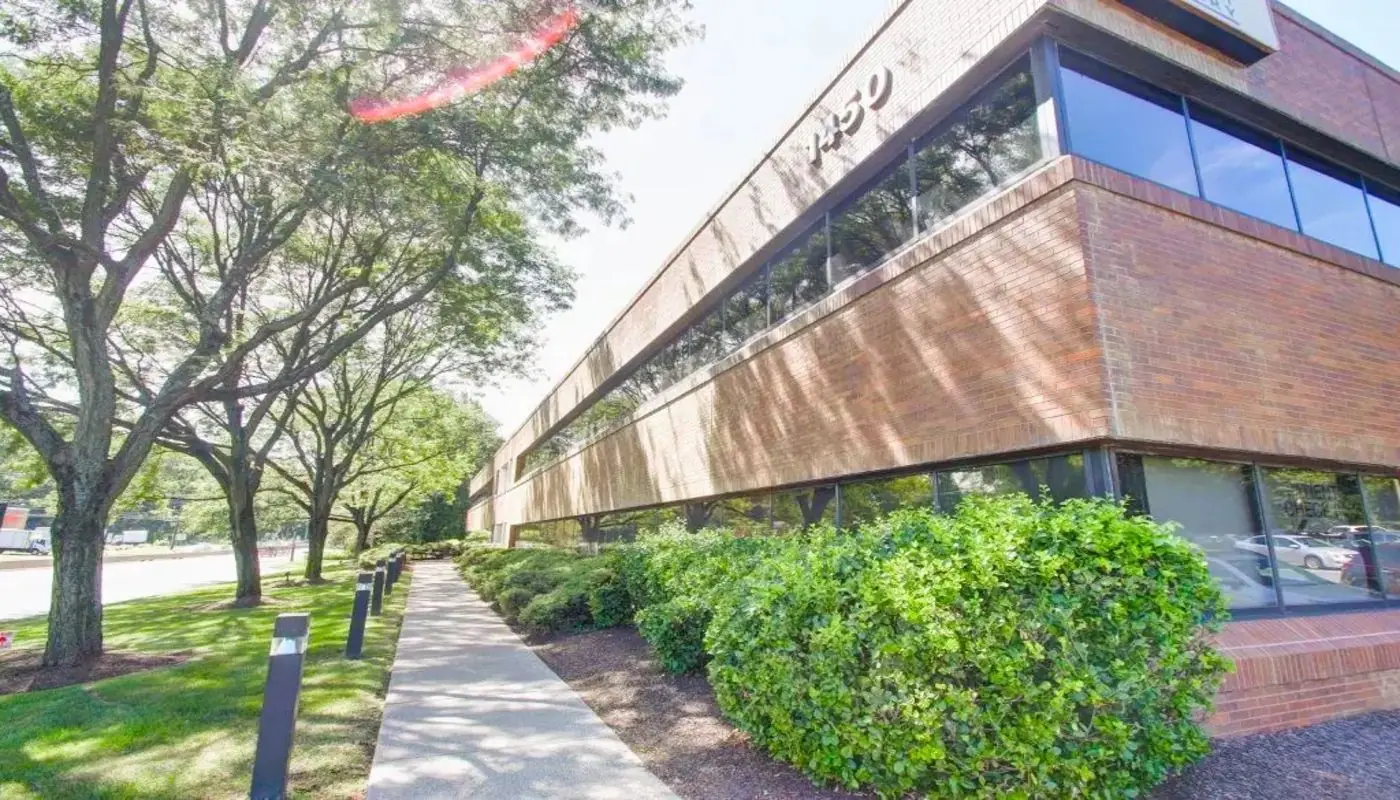
The Recovery Team
5.0/5Google reviews: 88
Typical stay 30 days
Located at 1450 US-22 in Mountainside, The Recovery Team Mountainside is a rehab in New Jersey.
- Outpatient
- Detox
- Co-Occurring Mental Health
Joint Commission View center


Common questions
Is Mrs. Wilson's Treatment Center Morristown a residential program?
Yes. Residential rehab is the center's main level of care, with a typical stay of about 30 days, alongside outpatient and intensive outpatient services and transitional housing. Residential care fits people who need distance from daily triggers while they stabilize. Ask the center how it chooses between residential and outpatient beginnings, and get your insurance verified before you agree to a start date.
Does this Morristown center accept Medicaid or insurance?
Payment and network details are not published on this page, so those specifics have to come from the center. Call to ask which plans are in network and to request benefits verification before admission. If you lack insurance, ask about self-pay options and whether the state Medicaid program fits your situation. The helpline can help you put those questions together, but it does not approve coverage or guarantee admission.
What therapies does the program use?
The center lists cognitive behavioral therapy, trauma-specific therapy, one-on-one counseling, family and group therapy, twelve step facilitation, life skills and animal therapy. Mental health needs alongside substance use is offered alongside substance use treatment. Because the approach is trauma-informed and gender-specific, ask how your own history would shape the plan. No outcome figures are published, so treat any program as a fit to be checked, not a promise.
How do I compare this center with other New Jersey programs?
New Jersey has 330 facilities listed in SAMHSA's FindTreatment.gov directory as of November 2026, so comparison is worth the effort. Finding New Jersey drug rehab facilities that accept Medicaid and verify benefits starts with a short list and a set of questions. Ask every program the same things: levels of care, length of stay, co-occurring treatment, aftercare and coverage. Then choose based on clinical fit, not proximity alone.
How long do people typically stay at Mrs. Wilson's?
The center's information says a typical program lasts about 30 days. Some people need more time, and the center also offers an intensive outpatient program plus transitional living for those who need a step-down. Ask how length of stay gets decided and whether your insurance covers extended care. The helpline can help you prepare that question, but it does not set or guarantee any length of stay.