lifetime recovery mullica hill
lifetime recovery mullica hill is an outpatient addiction treatment center in New Jersey. It is one of 330 SAMHSA-listed facilities in New Jersey and has held Joint Commission accreditation since 2017. This guide covers its programs, therapies, and payment options.
Joint CommissionOutpatientCo-Occurring Mental Health30+ days
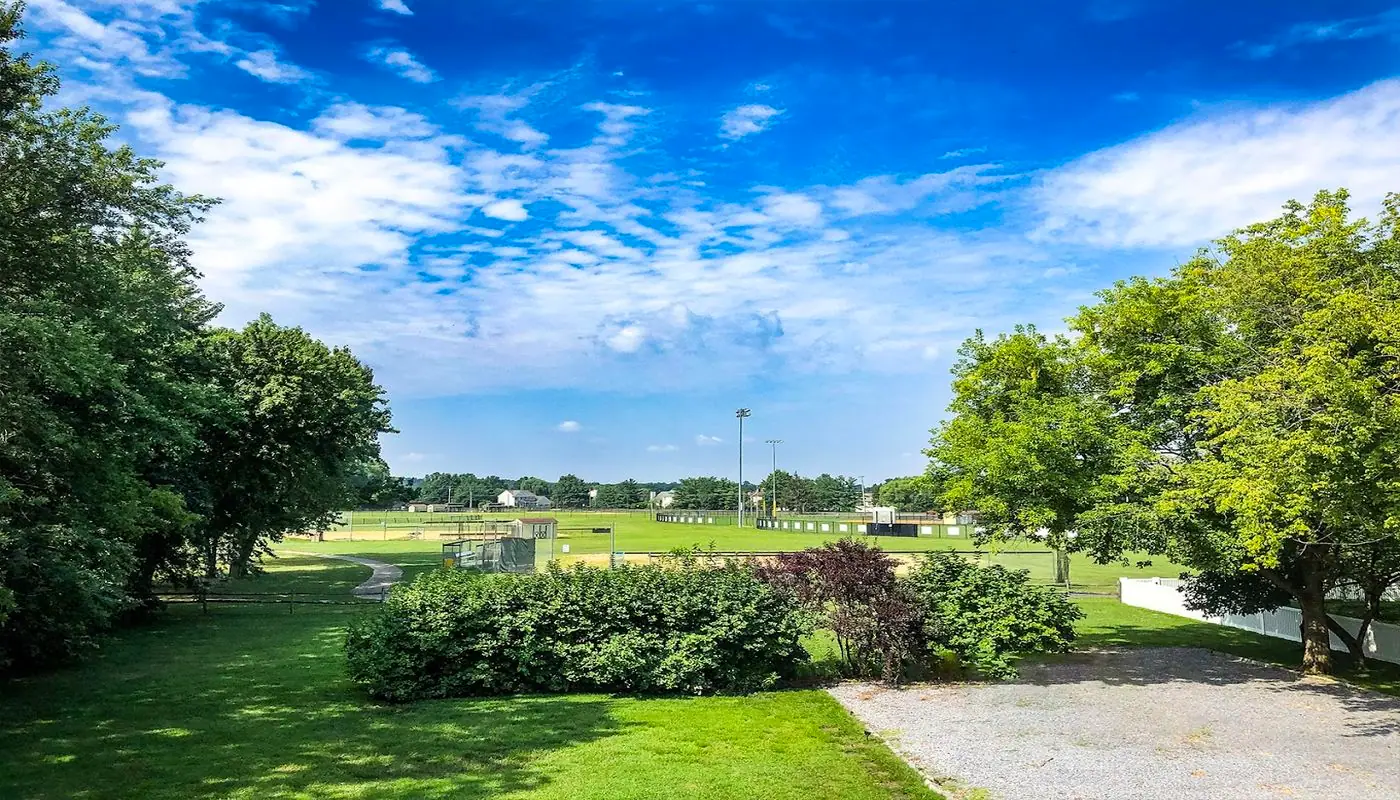
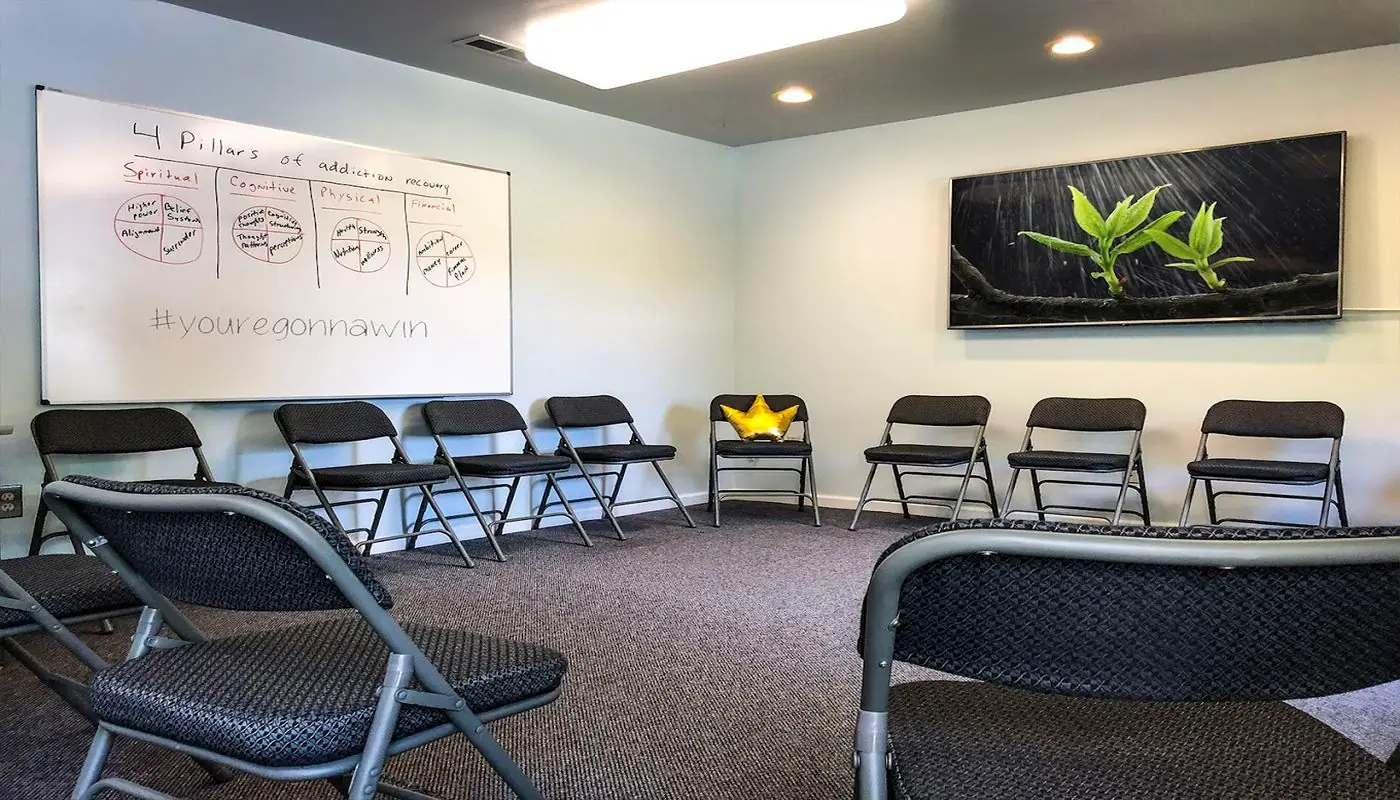
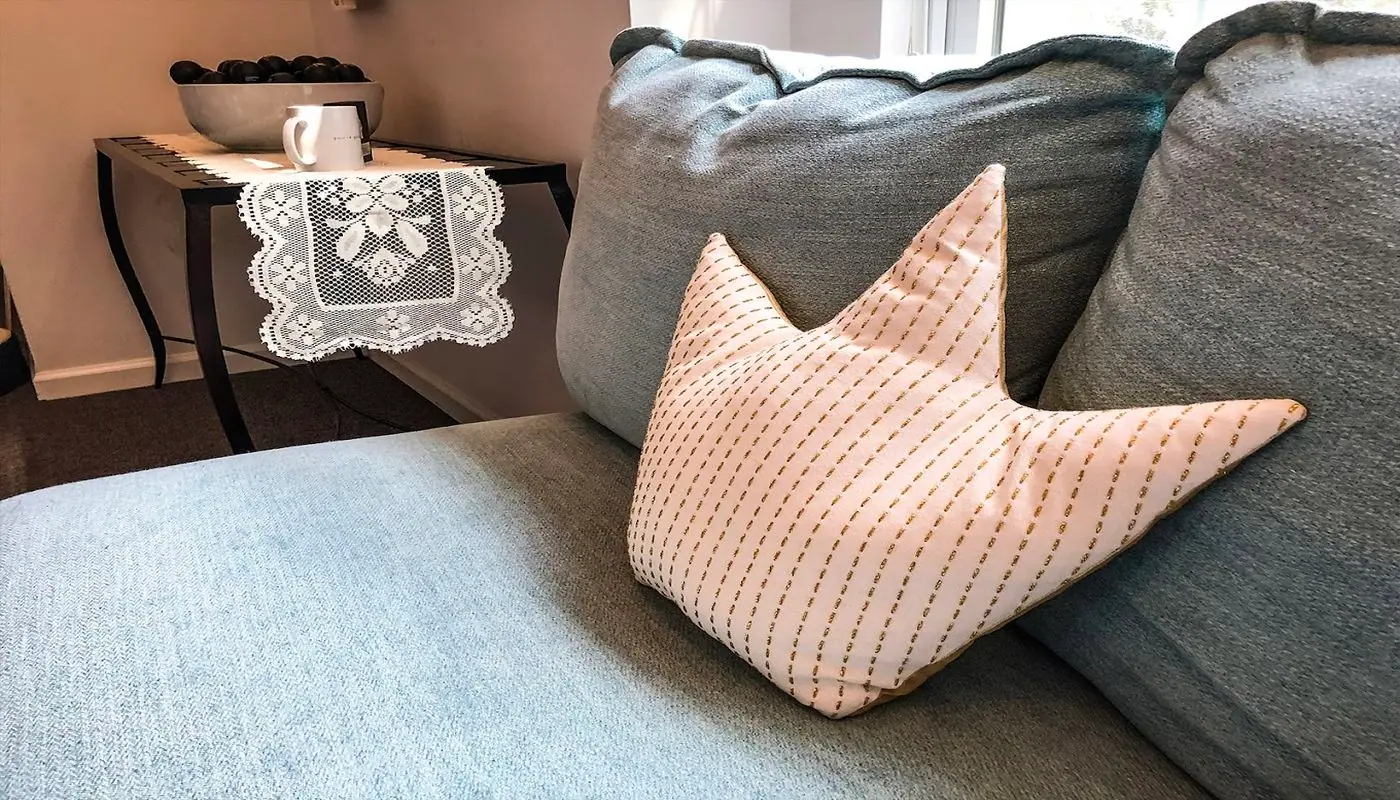
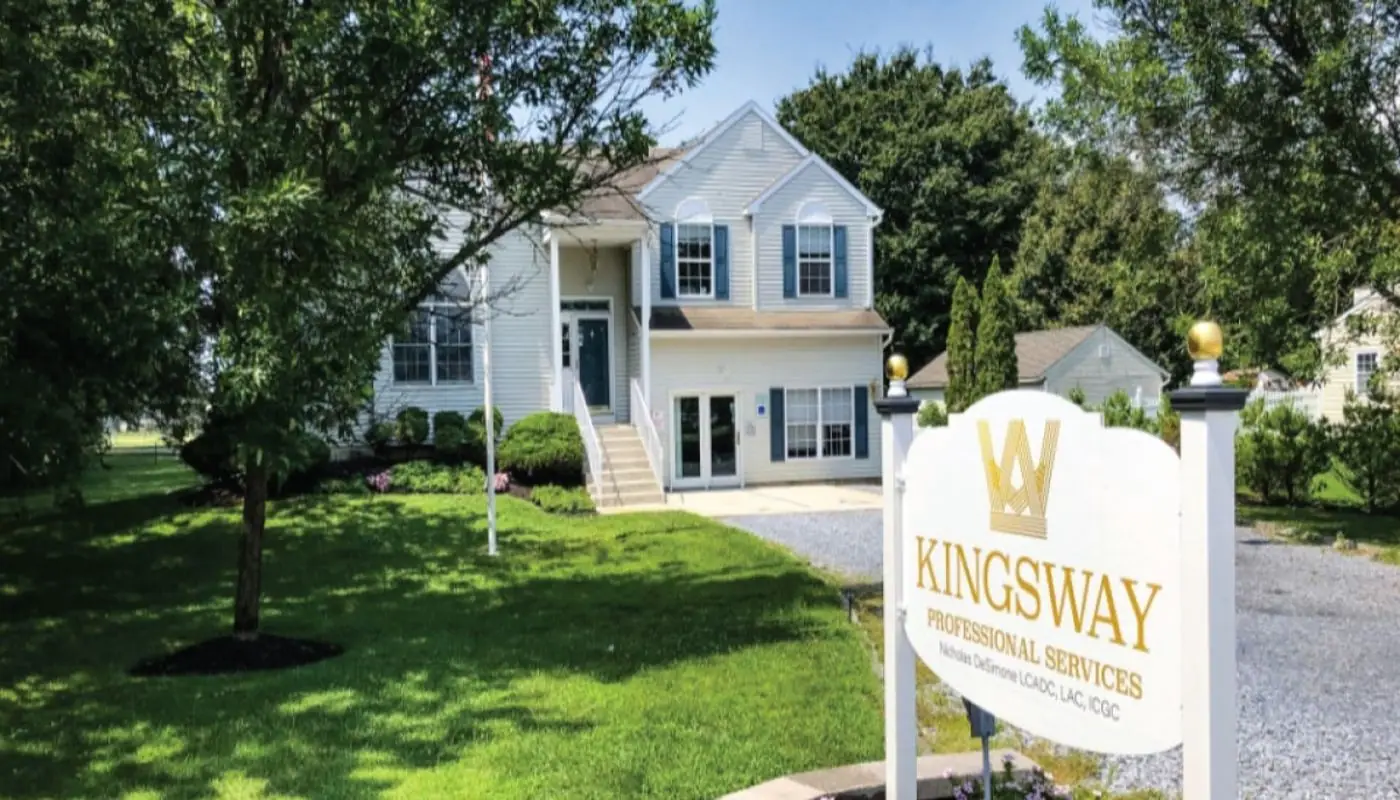
Lifetime Recovery, located at 124 Bridgeton Pike in Mullica Hill, is an outpatient addiction treatment center that supports people who have decided to seek help. The team creates a warm and respectful atmosphere for individuals beginning recovery. When someone arrives, staff develop a personalized treatment plan based on that person's needs. The center's approach focuses on identifying the underlying causes of substance use and related mental health challenges, while also addressing factors that raise the risk of relapse. The program serves people with substance dependence as well as those dealing with behavioral or process addictions such as gambling. Clients can choose from partial hospitalization (PHP), intensive outpatient (IOP), or standard outpatient programming.
In outpatient services at Lifetime, clients participate in individual, group, and family therapy. Counselors combine research-backed methods with holistic approaches, including cognitive behavioral therapy (CBT), dialectical behavioral therapy (DBT), rational emotive behavioral therapy (REBT), meditation, art therapy, exercise-based therapy, massage therapy, yoga, and more. Since each plan is customized, clinicians work with clients to select therapies that are most likely to support lasting recovery. The treatment team addresses both mental health concerns and addiction at the same time, recognizing that working through both areas together can strengthen outcomes and promote sustainable healing.
The rehabilitation center treats substance use disorders together with co-occurring mental health issues. Each person receives a compassionate, individualized plan addressing both challenges at the same time, aiming to support full recovery and enduring healing.
Lifetime recovery mullica hill programs
Lifetime Recovery provides day treatment, an intensive outpatient program, and standard outpatient care, letting people step down as needs shift. This New Jersey center's day treatment and intensive outpatient programs offer structured care statewide, alongside 330 listed facilities. Day treatment gives structured support several days each week, and IOP usually means a few sessions weekly. Standard outpatient is lighter and fits people with steady routines. The center also treats mental health needs alongside substance use for those living with a psychiatric condition and an addiction disorder.
Therapy options include individual counseling, cognitive behavioral therapy (CBT), dialectical behavior therapy (DBT), rational emotive behavior therapy (REBT), family therapy, group therapy, medication-assisted treatment, and trauma-specific therapy. Each person at Lifetime Recovery in Mullica Hill gets these evidence-based therapies, tailored to individual needs. If the right level of care for your situation is unclear, the helpline can assist you in comparing choices and get questions ready for the center.
- Trauma-Specific Therapy
- Group Therapy
- Personalized Treatment
- Rational Emotive Behavior Therapy
- Cognitive Behavioral Therapy
- Evidence-Based
- 1-on-1 Counseling
- Dialectical Behavior Therapy
- Medication-Assisted Treatment
- Family Therapy
Who lifetime recovery mullica hill
- Adults dealing with substance use disorders tied to alcohol, benzodiazepines, cocaine, heroin, marijuana, methamphetamine, or psychedelics.
- Individuals facing mental health conditions together with substance use, including anxiety, depression, bipolar disorder, OCD, PTSD, schizophrenia, trauma, grief and loss, or anger.
- Individuals who need structured outpatient support but do not require 24-hour residential care.
- Those seeking treatment for behavioral or process addictions, including gambling.
- Grown-ups seeking care that treats substance use and mental health concerns together, concurrently.
Setting and length at lifetime recovery
Lifetime Recovery operates as an outpatient center, which means participants stay at home or in supportive housing and come in for sessions by day or evening. At this New Jersey facility, most programs run 30 days or longer, shaped by each person's progress and goals. You'll find the center in Mullica Hill, New Jersey, and services are offered in English. The space is arranged to feel welcoming and dignified, emphasizing comfort and respect.
Payment and insurance at lifetime
Lifetime Recovery takes cash pay rates and may also work with insurance plans. Because coverage depends on your plan and the services used, confirm your benefits with the center directly before treatment begins. Talking with the helpline can help you work out which questions to ask and how to check whether your plan covers outpatient addiction treatment. If you have Medicaid, ask the center whether they accept it, since coverage can differ. The helpline costs nothing, stays private, and doesn't require you to commit to anything.
Questions before admission
- Which level of care—day treatment, IOP, or outpatient—does your clinical team recommend for my situation?
- How does the center coordinate care for mental health needs along with substance use, such as anxiety or PTSD?
- How long do people typically stay, and how is their progress monitored?
- Does the center take my insurance plan and what would my own share of the cost be?
- What is the daily or weekly schedule, and how are family members involved in treatment?
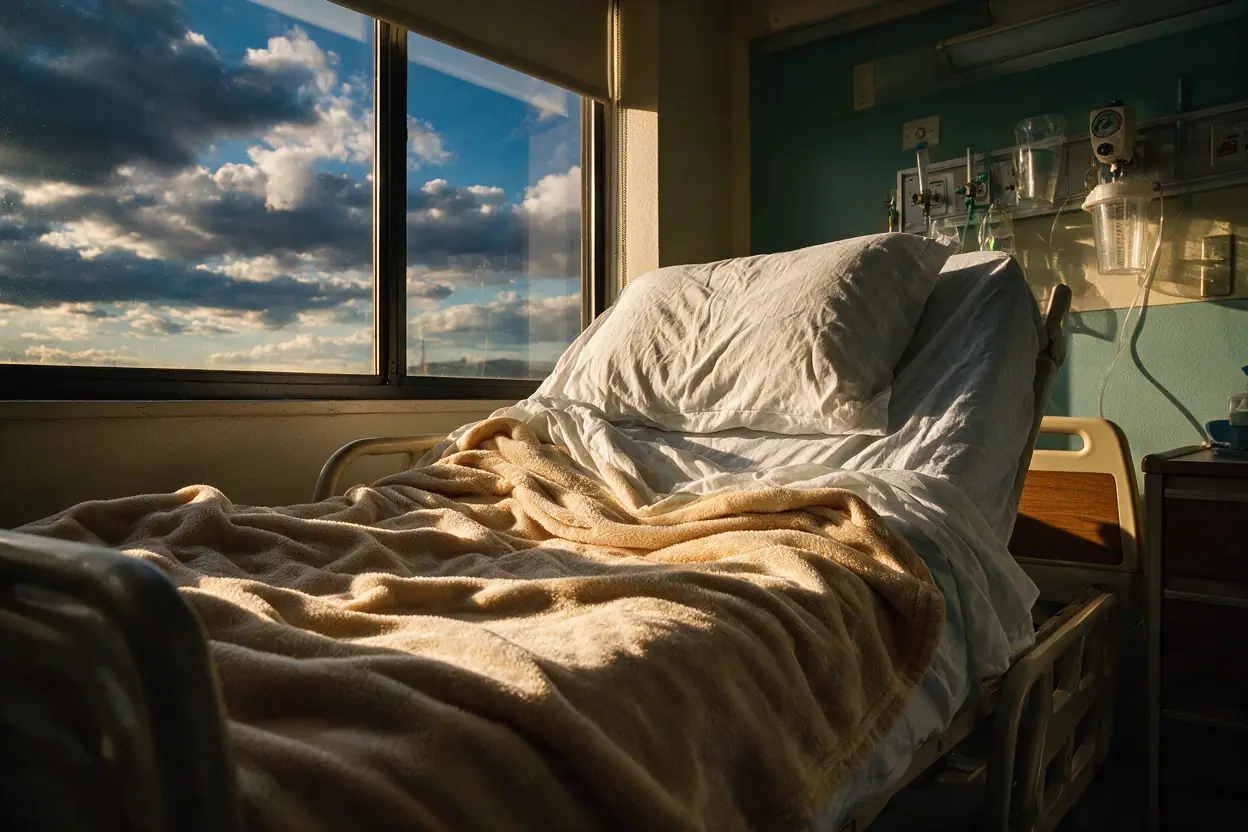
Additional centers to weigh
-
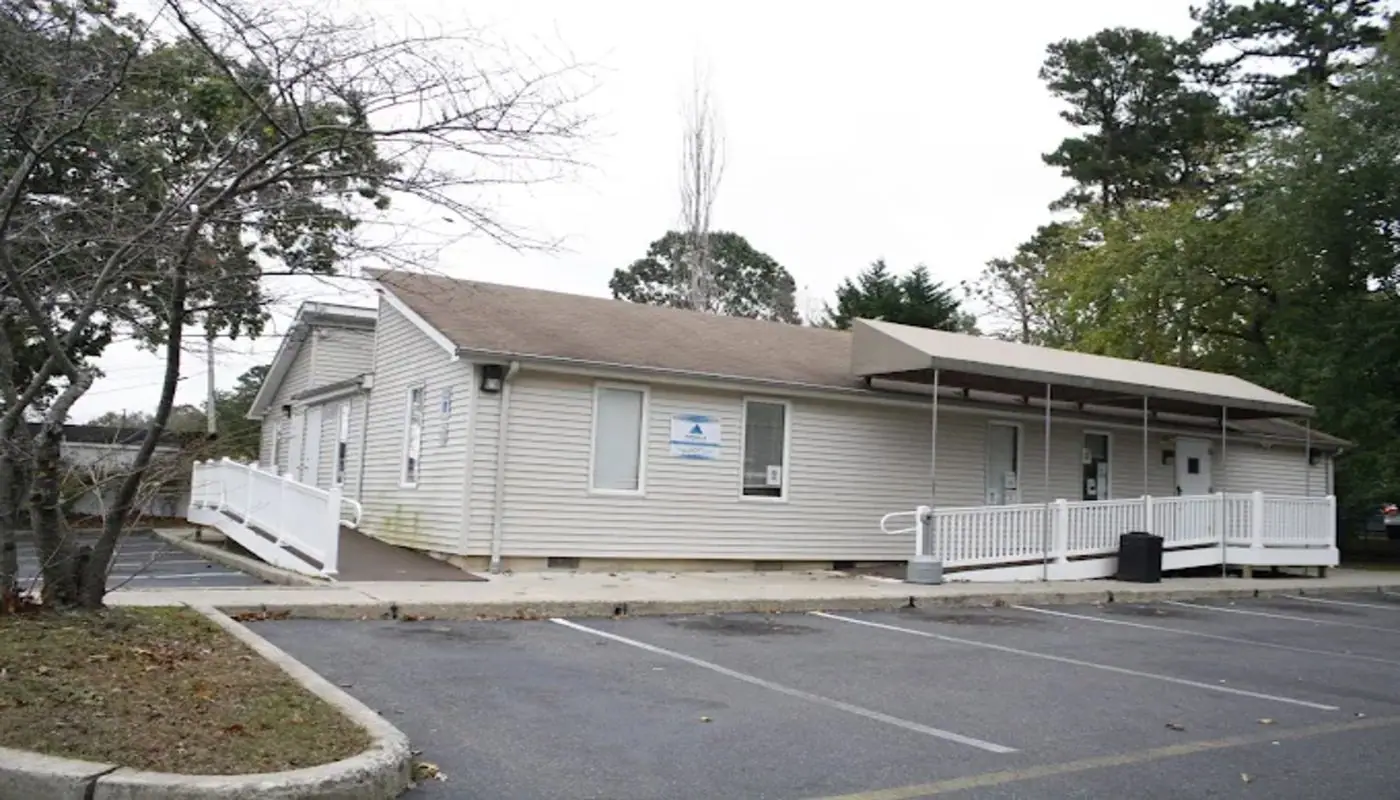
Toms RiverNJ
Ocean Medical Services
4.5/5Google reviews: 36
Typical stay 30 days
Ocean Medical Services is a treatment center in Toms River, New Jersey.
- Outpatient
- Detox
- Co-Occurring Mental Health
-
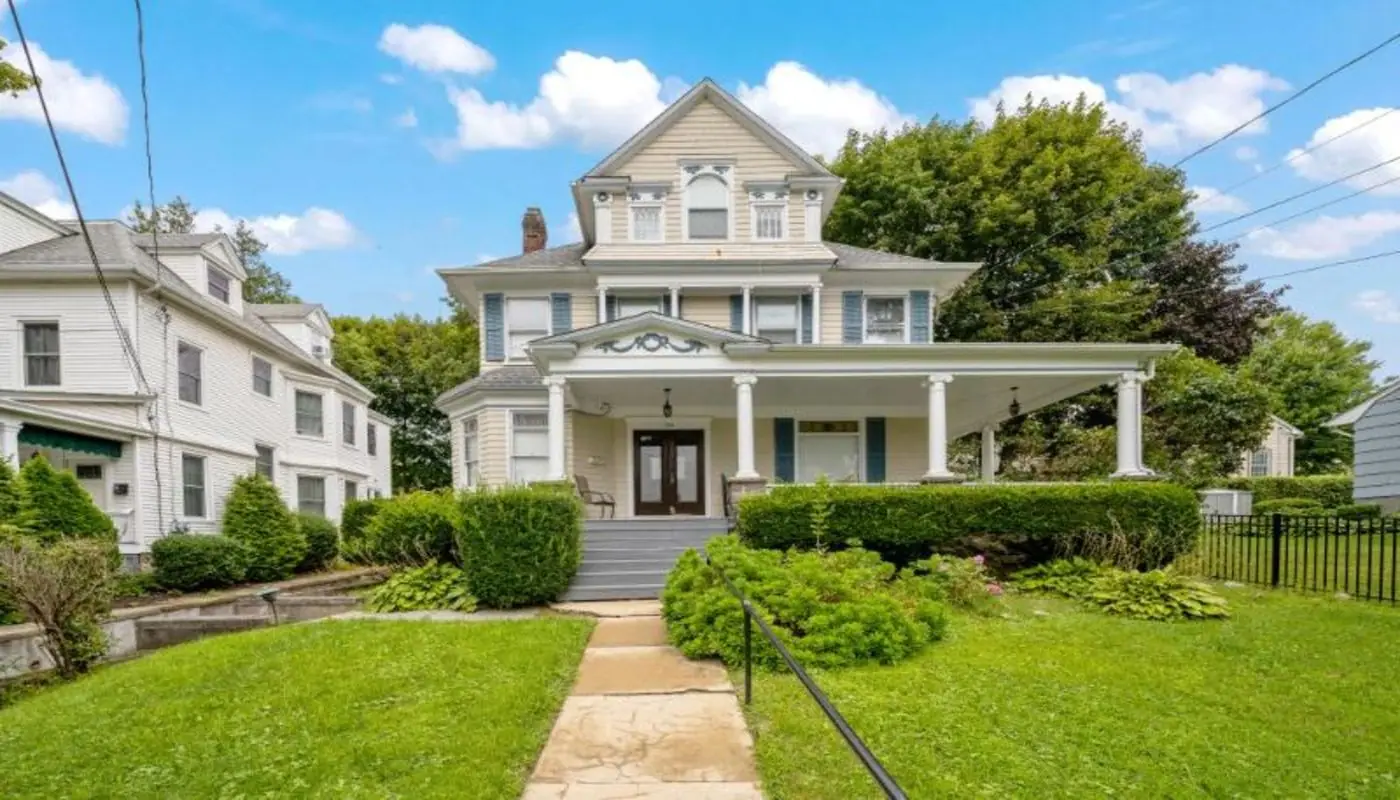
DoverNJ
Excel Treatment Center
4.8/5Google reviews: 95
Typical stay 30 days
Excel Treatment Center Dover offers outpatient care for mental health needs as well as substance use and substance use disorders.
- Outpatient
- Co-Occurring Mental Health
Joint Commission View center
-
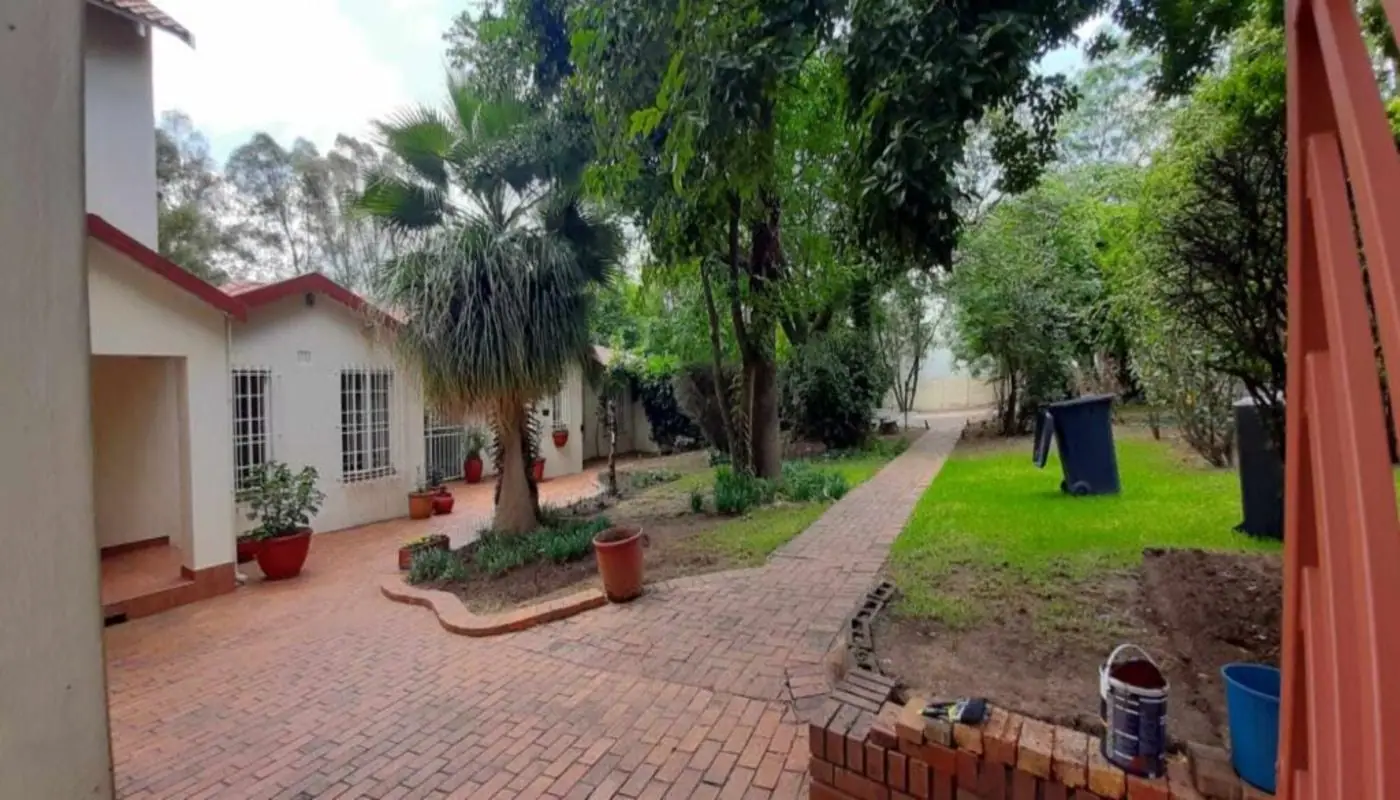
ClintonNJ
New Horizon Halfway House Ferndale
Typical stay 30 days
New Horizon Halfway House Ferndale Clinton offers a 30-day transitional living option.
-
SummitNJ
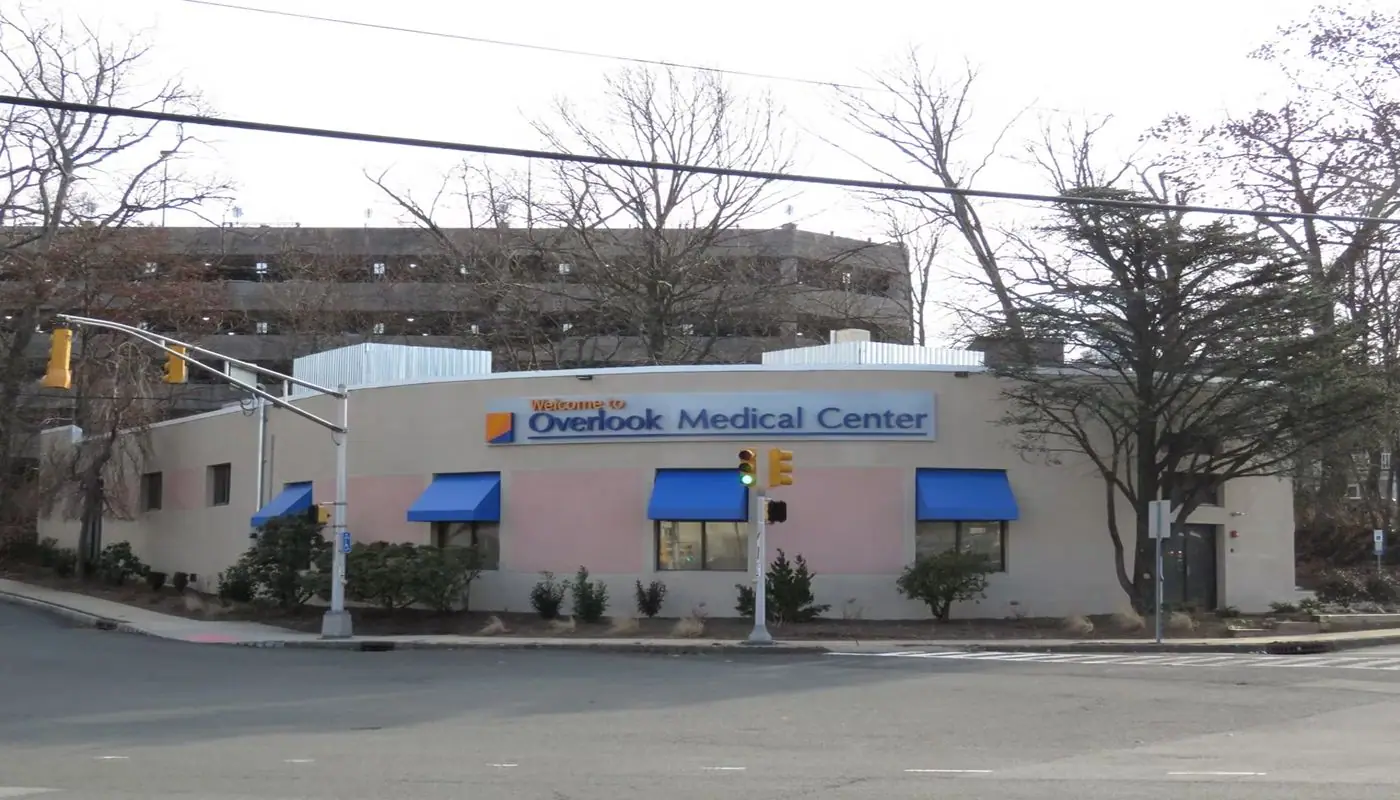
Overlook Medical Center Outpatient
2.4/5Google reviews: 20
Typical stay 5 days
Overlook Medical Center Outpatient Services in Summit offers structured care for people who live at home.
- Outpatient
Joint Commission View center
-
VoorheesNJ
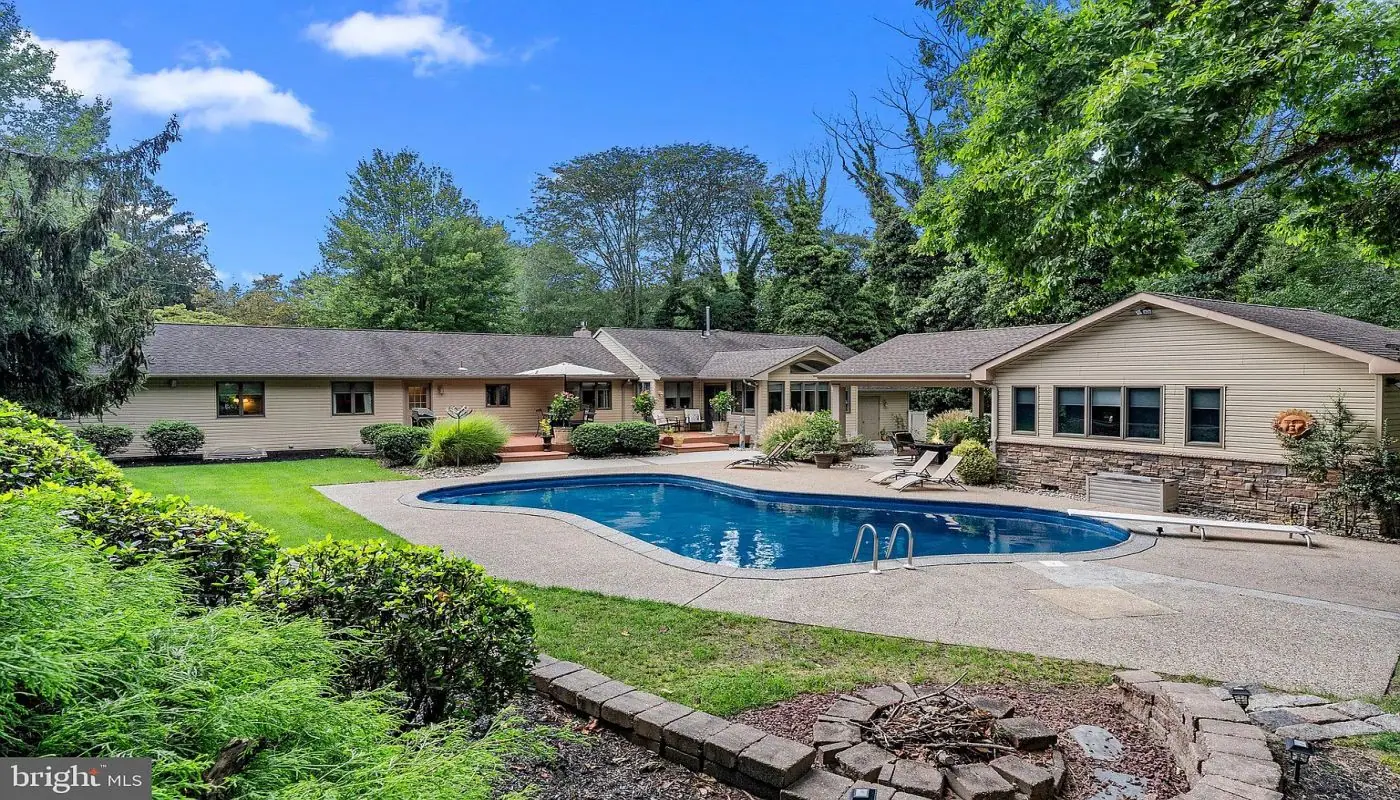
New Jersey Sober Living
Typical stay 30+ days2-5 beds
New Jersey Sober Living Voorhees is a small sober living home for adults in recovery.
- Outpatient
- Sober Living
- Co-Occurring Mental Health
-
MountainsideNJ
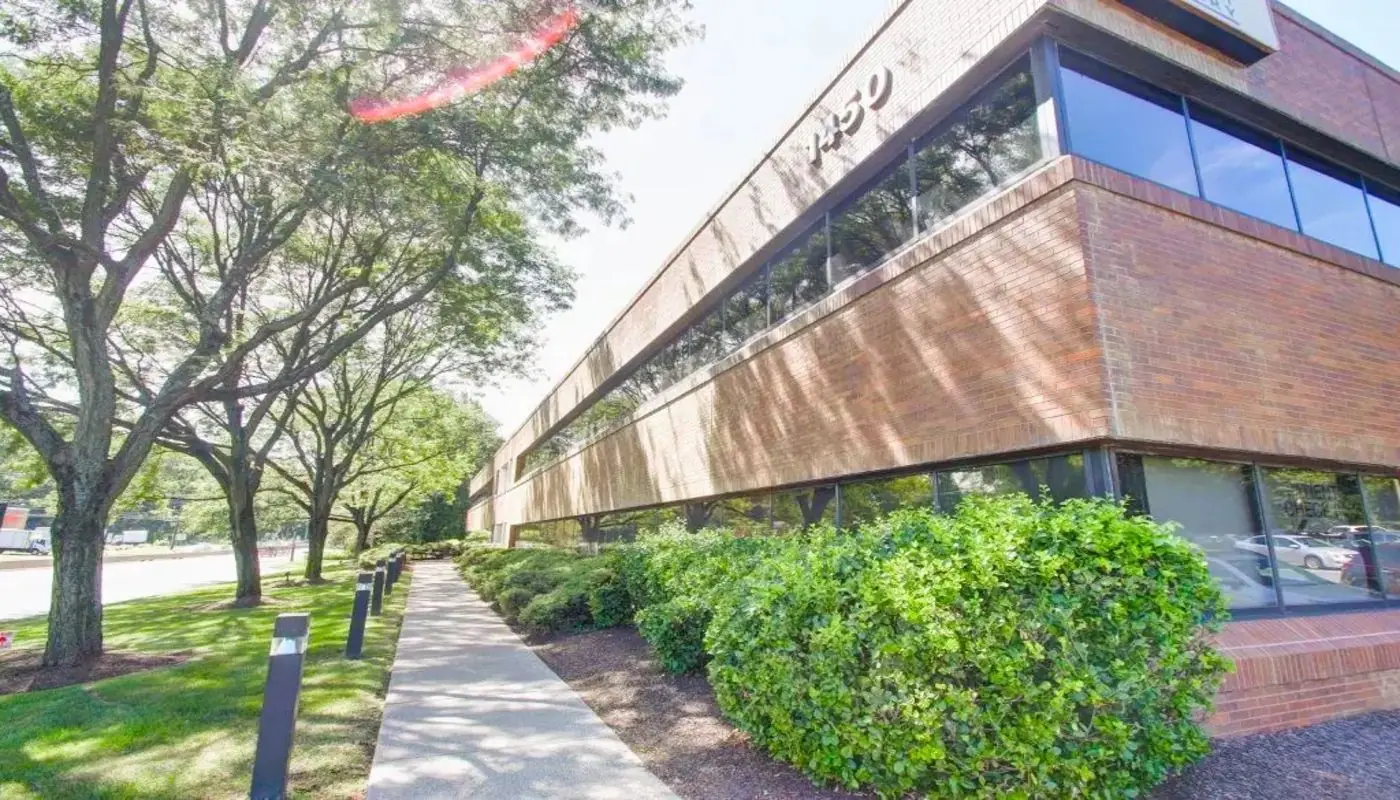
The Recovery Team
5.0/5Google reviews: 88
Typical stay 30 days
Located at 1450 US-22 in Mountainside, The Recovery Team Mountainside is a rehab in New Jersey.
- Outpatient
- Detox
- Co-Occurring Mental Health
Joint Commission View center

Common questions
What should I know about lifetime recovery mullica hill?
Located in Mullica Hill, New Jersey, Lifetime Recovery is an outpatient addiction treatment center that has held Joint Commission accreditation since 2017. Services include day treatment, intensive outpatient, and outpatient care for mental health needs plus substance use needs alongside substance abuse. Therapy is offered in individual, group, and family formats, plus CBT, DBT, and other approaches. Cash pay is one payment option, and you should confirm insurance by phone.
How long do people typically stay at lifetime recovery mullica hill?
Programs typically run 30 days or longer, though the actual duration reflects each person's needs and how they progress. Because the center offers several levels of outpatient care, some people step down from day treatment to IOP or standard outpatient as they improve. The clinical team reviews progress on a regular basis and adjusts the plan. Timelines are worth discussing with the center directly.
Does lifetime recovery mullica hill accept insurance?
Self-pay pricing, which may also work with insurance plans, though coverage depends on your specific policy and the recommended services. New Jersey has 330 SAMHSA-listed facilities, and payment arrangements differ from one to the next. Call the center and request a benefits check to confirm what your plan covers. The helpline can help you get those questions ready and understand your choices, with nothing owed or promised.
What therapies are offered at lifetime recovery mullica hill?
The center's services include individual counseling and cognitive behavioral therapy, dialectical behavior therapy, rational emotive behavior therapy, family therapy, group therapy, medication-assisted treatment, and trauma-specific therapy. All of it is delivered within a personalized, evidence-based framework. When weighing treatment, asking which therapies fall within your recommended level of care can help you compare programs and choose with good information.
Is lifetime recovery mullica hill a good fit for someone with both addiction and mental health needs?
Yes, the center focuses on mental health needs alongside substance use together with substance use disorders. Conditions treated include anxiety, depression, bipolar disorder, OCD, PTSD, schizophrenia, trauma, grief and loss, and anger. Both areas are addressed simultaneously by the clinical team, since integrated care can improve outcomes. If you have a dual diagnosis, ask how the center coordinates mental health and addiction treatment.